
Long days in the saddle are part of the romance of motorcycling—until your neck is sore, your hands go numb, and your lower back starts sending ominous smoke signals. Reducing fatigue on long rides isn’t just about comfort; it’s about staying alert, riding safely, and enjoying the journey. As a rider and accessories specialist, I’ve learned that a handful of smart, well-chosen accessories can transform a tiring day into a memorable ride.
This article walks through practical, bike-friendly solutions—seats and back supports, handlebar ergonomics and vibration control, and smarter luggage and load management. I’ll share what to look for, what to avoid, and how to set things up so you can ride farther with less wear and tear on your body.
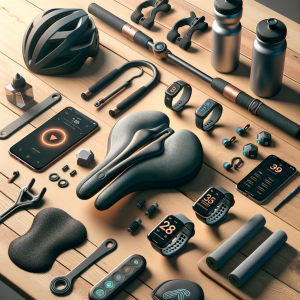
Smart Seats, Cushions, and Back Supports for Riders
Your contact patch with the bike—the seat—does most of the heavy lifting on a long ride. Aftermarket seats are more than styling; they use higher-density polyurethane foams, layered constructions, or gel inserts to spread pressure evenly and reduce hotspots. Closed-cell foams resist soaking up water and keep shape over time; air-cell designs let you fine-tune firmness on the fly. Practical tip: demo the seat if you can, and break in new foam gradually—many seats perform best after a few hundred miles.
Seat pads, sheepskin covers, and thin gel cushions are tempting quick fixes, but they’re no substitute for a properly shaped seat. A common mistake is adding a thick pad that changes your hip angle and forces you to reach more—this can increase fatigue rather than reduce it. Instead, choose pads that complement the seat contour and test them on a short ride; check for bottoming out (too soft) or pressure points (too firm).
Back supports—lumbar pads, removable sissy-bar cushions, or small touring backrests—can make an outsized difference on long days. Lumbar supports help maintain a natural spine curve and reduce slumping; choose adjustable or air-filled options for fine tuning. Mounting methods range from bolt-on, frame-attached backrests to clamp-style supports; inspect attachment points and hardware torque, and make sure any backrest doesn’t impede emergency dismounts or passenger comfort.
Handlebar Risers, Grips, and Vibration Dampers
Handlebar position controls posture and arm fatigue. Riser kits and different handlebar bends let you reduce reach and raise hand position to relieve your shoulders and lower back. But moderation is key—too much rise alters leverage and can make low-speed control awkward. Install risers in measured increments, check compatibility with cables and brake lines, and always torque clamp bolts to the manufacturer’s specification.
Grips are a surprisingly powerful comfort upgrade. Thicker, softer compound grips reduce hand cramps and distribute pressure across the palm. Consider heat-retaining materials if you ride in cold climates, or heated grips with proper waterproofing and fused wiring for winter touring. One common oversight is ignoring grip diameter: riders with larger hands will benefit from beefier grips, while smaller hands may prefer narrower grips to maintain reach and control.
Vibration is a direct route to numbness and fatigue—bar-end weights, handlebar-mount dampers, and isolation grips help tame it. Engine and chassis vibrations often sit in a frequency range that causes tingling in the hands and arms; adding mass at the bar ends shifts the natural frequency and reduces resonance. Bar-end weights, rubber-damped grips, and well-lubricated controls are a good start. If vibration persists, look at engine mount bushings, loose fasteners, or aftermarket handlebar solutions instead of just thicker gloves.
Load Management: Luggage, Tank Bags, and Ergonomics
How you carry gear affects handling and rider fatigue more than most people realize. Aim to keep weight low and close to the bike’s centerline: panniers and low saddle bags for heavier items, top cases for lightweight gear you need quick access to. Heavy, high-mounted loads raise the center of gravity and increase steering effort, especially in slow maneuvers and crosswinds—two situations that accelerate rider fatigue.
Tank bags are an underrated ergonomic ally: they keep snacks, phones, sunglasses, and maps within easy reach, so you don’t contort to access pockets or tail bags. Choose the right mounting system—magnetic, strap, or tank ring—based on your tank material and fuel-cap clearance. Waterproof compartments, lockable zippers, and internal organization pockets make stops faster and reduce the temptation to redistribute items on the road (which can destabilize the bike).
Packing technique matters. Use compression sacks to consolidate clothing, anchor luggage with reliable straps and built-in tie-down points, and always respect the manufacturer’s load limits for luggage racks and racks. Common mistakes include uneven pannier loads, unsecured loose straps that flap and cause drag, and overloading a top case. Before a long ride, do a short shakedown loop with your full load to confirm balance, clearance, and brake/handling feel.
Long rides become far more enjoyable—and safer—when you pair good posture, vibration control, and sensible packing with the right accessories. Start with a seat that supports your hips, tune handlebar position and grips to suit your arms and hands, and keep your luggage low and balanced. Quick final tip: test each change on short rides before committing to multi-day tours—your body will thank you, and so will your bike. Ride smart, stay comfy, and don’t forget to stretch at the next fuel stop.