
Personalizing a motorcycle is one of the most satisfying parts of ownership. Whether you ride a daily commuter, a long-haul tourer, or a weekend cruiser, small, thoughtful changes can make your bike more comfortable, more useful, and unmistakably yours—without turning it into a circus. Tasteful personalizing improves ergonomics, storage, and safety while letting your personality show. In this article I’ll walk you through practical, rider-tested ways to customize that keep balance, function, and longevity front and center.
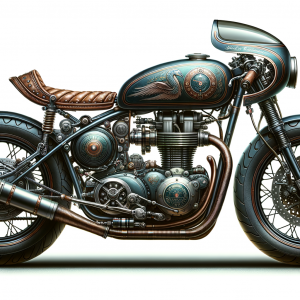
Plan Before You Modify: Balance Style and Safety
Start with a plan that answers why you want to change the bike. Is it for comfort on long rides, better storage for commuting, improved weather resilience, or simply a cleaner aesthetic? Write a short list of priorities—comfort, utility, and safety—ranked. That list will keep you from buying impulsively and help you choose mods that actually improve your day-to-day riding experience.
Think about how changes affect ergonomics and weight distribution. Swapping to a taller seat or different handlebars shifts your center of gravity and can change steering feel; adding luggage changes rear weight bias. Consider ride scenarios: city stop-and-go, highway touring, or spirited backroad rides. Use those scenarios to test compatibility and avoid mods that trade one problem (bad back) for another (nervous handling).
Finally, plan logistics: budget, tools, timeline, and whether you’ll do it yourself or use a shop. Check compatibility with your make and model—bolt patterns, electrical connectors, and mounting points matter. If a mod requires rewiring or frame drilling, factor in professional labor and potential resale impact. A little planning saves time, money, and headaches down the road.
Choose High-Quality Parts: Fit, Materials, Weight
When personalizing, quality matters more than quantity. Choose parts from reputable brands known for good fitment and clear installation instructions. Poorly fitting components cause vibration, rattles, and premature wear. Look for OEM-fit or model-specific aftermarket pieces to limit surprises at installation and preserve handling characteristics.
Consider materials and construction for longevity: marine-grade stainless or anodized aluminum resists corrosion for luggage racks and hardware; UV-stable vinyl or high-grade leather holds up for seats and saddlebags; silicone or compound blends for grips resist hardening in cold weather. For lighting, choose DOT/SAE-compliant LEDs with solid thermal management—cheap LEDs can fail quickly or overheat, causing flicker or wiring stress.
Pay attention to weight and mounting methods. Carbon or aluminum accessories save weight but can be expensive; steel is durable but heavier. For luggage, test mounting systems for vibration resistance and quick-release compatibility—look for lockable mounts with rubber isolators or anti-vibration fasteners. For electrically powered accessories, calculate current draw so you don’t overload your charging system. These practical checks keep your bike reliable on long trips.
Style with Restraint: Subtle Mods for Long Rides
Tasteful personalization often relies on subtlety. A new seat with a contrast stitch, a set of bar-end mirrors polished to match your brake lever, or a discreet luggage solution can update the bike’s look without making it scream aftermarket. Small touches age well: choose colors and finishes that complement factory paint rather than clash.
Function-first style tends to be the most durable for touring and everyday use. Examples: replace stock mirrors with those offering better field of view and a refined finish; upgrade grips to a vibration-reducing compound that matches handlebar end caps; install LED auxiliary lights with low-profile housings for added visibility. These kinds of mods improve comfort and safety while still being tasteful.
Avoid fads and over-customization that hurt resale or create maintenance headaches. Common mistakes include stacking visual mods (too many different finishes), adding oversized luggage that alters handling, or installing non-compliant lighting that attracts attention for the wrong reasons. Keep an eye on how each change feels during actual rides—if it doesn’t survive a weekend tour, rethink it.
Personalizing your motorcycle should make every mile better, not just look good in photos. Plan carefully, choose durable, compatible parts, and favor subtle, functional upgrades that stand up to real-world use. One practical rule: make each mod earn its place by contributing comfort, safety, or utility. Do that and your bike will reflect your taste—and be a more enjoyable companion on every ride.