
As an experienced rider and accessories specialist, I’ve spent more miles testing gear than I care to admit—and learned that the right add-ons can make or break a ride. Whether you’re commuting through stop-and-go traffic, carving canyon roads on the weekend, or packing up for a week-long tour, motorcycle add-ons should solve real problems: keep you comfortable, protect your bike, and make life on the road easier. This article breaks down what seasoned riders actually look for when choosing accessories, so you can spend less time guessing and more time riding.
Good add-ons aren’t flashy; they’re functional. That means durable materials, secure mounting, sensible ergonomics, and weatherproofing that lasts beyond the first rain. I’ll cover the practical features riders prioritize—comfort and fit, storage and quick access, plus safety and weather performance—along with common mistakes to avoid and tips you can use the next time you buy gear.
Think of this as a checklist you can pull out at the shop or use while browsing online: look for proven materials, easy serviceability, and compatibility with your bike’s weight and geometry. Below are the key categories of concern and what to check in each to get accessories that truly enhance your ride.
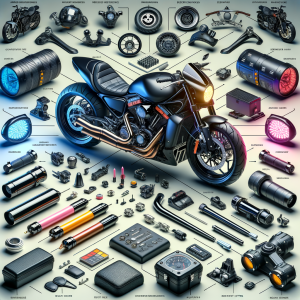
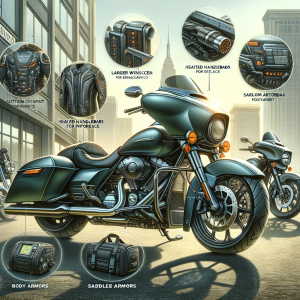
Comfort, Durability, and Fit: Rider Priorities
Comfort often tops the list because even the best roads get uncomfortable if the seat, pegs, or controls aren’t right. Experienced riders look for seats and backrests with quality foam and cover materials—gel inserts or multi-density foam wrapped in UV-resistant vinyl or leather—so long rides aren’t a pain. Fit matters: a seat that changes your riding posture or interferes with handlebars will cost more in fatigue than it saves in style.
Durability is non-negotiable. Riders prefer materials like Cordura or ballistic nylon for soft luggage, waterproofed seams and welded bottoms for tanks bags, and powder-coated or stainless hardware for racks and mounts. Metal parts should be aluminum or stainless steel to resist corrosion; cheap zinc-plated brackets and flimsy plastic clips won’t survive vibration and weather. Ask about warranty and replacement parts—good manufacturers design accessories to be servicable, not disposable.
Fit and compatibility are often overlooked mistakes. Experienced riders always verify mounting systems and check clearances with moving parts, steering lock, and suspension travel. A quick tip: mock-fit the accessory (or measure mounting points) before purchase, and account for added weight up high or aft—too much mass above the center of gravity changes handling. If you’re unsure, look for modular systems and quick-release mounts that let you reposition or remove gear without tools.
Storage, Security, and Quick-Access Solutions
Storage solutions need to match your riding style: compact lockable tank bags for commuters, roomy waterproof panniers for tourers, and top cases for errand runs. Riders favor modular systems—removable inner bags, daisy-chained expansion points, and compression straps—so you can scale capacity from a single-day ride to a weekend getaway. Internal organization (pockets, tool rolls, electronics sleeves) makes a huge difference in usability.
Security and quick access are both practical concerns. Hard cases with keyed locks or pannier racks that accept OEM locking cores are preferred by those who stop in towns; tank bags with underside magnets plus a tether give fast access without risking slippage. Check for theft-resistant features (locking mounts, concealed fasteners) and weatherproof closures—water-resistant zippers with storm flaps or welded seams keep contents dry and avoid that soggy surprise at the next stop. Also pay attention to weight limits of racks and subframes—overloading compromises both security and handling.
Real-world tip: distribute weight low and centered whenever possible. Place heavy items in low panniers or luggage racks close to the bike’s center, and keep frequently used items (phone, wallet, maps) in a quick-access tank or tail bag. Avoid common misconceptions like assuming “larger is always better”; oversized luggage encourages overpacking and can alter steering feel, especially at low speeds.
Safety, Ergonomics, and Weather-Proof Performance
Safety-minded riders evaluate add-ons for real-world durability and how they affect visibility, crash protection, and control. Lighting upgrades (LED auxiliary lights, brighter brake modules) should meet beam pattern standards to avoid blinding oncoming traffic while improving seeing distance. Crash protection—frame sliders, crash bars, and reinforced skid plates—should be mounted to engine or subframe points designed to transfer load, not just bolted to cosmetic panels.
Ergonomics include control reach, grip diameter, and handlebar rise—heated grips, bar risers, and adjustable levers are common upgrades because they let you fine-tune posture and reduce fatigue. Look for vibration-damping features: rubber-isolated mounts, hollow grips with internal foam, and handlebar weights tuned for your model reduce numbness and keep control inputs clean. Also check braking and throttle cable routing: aftermarket parts often change leverage or require different routing—make sure they don’t introduce binding or excess play.
Weather-proofing is essential and often misunderstood. “Water-resistant” is not the same as waterproof—look for sealed zippers, welded seams, and IP-rated electronics for heated gear or charging ports. Electrical add-ons need proper fuse protection, quality connectors (gold-plated contacts, marine-grade terminals), and secure routing away from pinch points and hot exhaust. Regularly inspect mounting hardware and fasteners; vibration loosens bolts over time, so use threadlocker with the correct strength and re-torque fasteners after the first few hundred miles.
Experienced riders choose add-ons that solve problems quietly: a comfortable seat that keeps you going, luggage that stays dry and doesn’t rattle, and protections that save your bike (and wallet) after a slip. Before you buy, measure, mock-fit, and think about how the part affects weight, balance, and maintenance. A practical rule of thumb: prioritize compatibility, durability, and serviceability—if it’s easy to live with and easy to fix, you’ll use it more.
Final tip: start with one meaningful upgrade—seat, lighting, or a decent luggage system—and ride with it for a season before splurging on the rest. Your next ride will thank you, and so will your shoulders. Safe miles and happy wrenching.