
Riding farther between stops isn’t just about squeezing the last mile out of a fuel tank — it’s about removing the small annoyances that force you to pause: cold hands, a rumbling phone battery, a loose strap, or a poor seat that has you searching for relief every 45 minutes. As a rider and accessories specialist, I’ve learned that the right combination of gear can turn a day of frequent stops into a smooth, efficient run. This article walks through the accessories that let you ride longer, safer, and more comfortably, whether you’re commuting, touring, or just enjoying a long weekend loop.
Why these accessories help extend your riding range
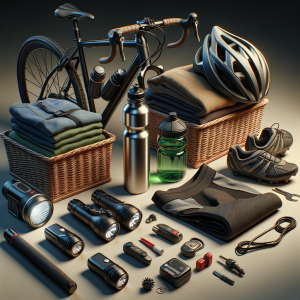
Why these accessories help extend your riding range
Accessories that reduce stops fall into a few clear categories: fuel management, rider comfort, and on-the-road self-sufficiency. Fuel-management items — auxiliary tanks, certified fuel bottles, or larger factory tanks — directly increase range by adding liters without compromising safety. Comfort and ergonomics (seats, windscreens, heated gear) reduce the need to stop for breaks, while self-sufficiency gear (portable compressors, battery packs, tool kits) cuts outages short so you can keep moving.
The functional reasons behind that are simple physics and human limits. Extra fuel increases the total stored energy; aerodynamic improvements and proper tire pressure reduce rolling and wind resistance; and ergonomic improvements keep your muscles and joints from fatiguing. Accessories that reduce vibration and improve fit (anti-vibration grips, tank pads, adjustable levers) mean less rider fatigue, which translates to fewer comfort stops and safer, longer attention spans on the road.
Finally, good accessories are designed with practical mounting, durability, and compatibility in mind. Look for materials and fastening systems rated for vibration and weather exposure (ballistic nylon, welded aluminum racks, stainless hardware). Properly engineered products won’t rattle loose on a rough backroad and are easier to maintain, so they help you avoid unplanned pit stops caused by gear failure.
Best fuel, comfort, and storage-saving motorcycle gear
Best fuel, comfort, and storage-saving motorcycle gear
For fuel and range: consider an approved auxiliary fuel tank or a compact, certified fuel bottle system. Long-range tanks that bolt to the subframe or replace the stock tank increase capacity without awkward exterior bottles. If you prefer modularity, 1–5 liter fuel bottles made from high-density polyethylene (HDPE) with vented spouts are lightweight and legal for transport when properly stowed in panniers or a hard case.
For comfort that keeps you rolling: upgrade to a quality touring seat (multi-density foam or gel insert), add a properly sized windshield to reduce windblast, and invest in heated grips or a heated jacket liner for cold-weather endurance. Little fixes like grip warmers and a throttle lock/cruise control for highway miles cut down the physical strain that forces stops. Don’t forget hydration: a low-profile CamelBak-style hydration bladder or handlebar bottle securely mounted keeps you from needing frequent cafe stops.
For storage and organization: use low-profile tank bags, locking hard panniers, or soft waterproof saddlebags to keep essentials accessible without shifting the bike’s center of gravity. Choose luggage with secure mounting systems (tank rings, subframe straps, rack-mounted quick-release plates) and weatherproof materials (TPU-laminated fabrics, waterproof zippers). Pack smart with modular organizers and compression sacks so you’re carrying only what you need — less weight equals better fuel economy and more comfortable handling on long stretches.
Mounting, weight, and comfort tips for longer rides
Mounting, weight, and comfort tips for longer rides
Keep weight low and centered. Heavy items mounted high or far back amplify leverage on the rear suspension, reduce front-end feel, and increase fuel consumption. Place heavy gear (tools, spare parts, batteries) as low and close to the bike’s centerline as possible — tank bags for small items, panniers for heavier but balanced loads. Check your bike’s load limits in the manual and remember to account for passenger and cargo weight combined.
Use the right mounting hardware and check it frequently. Proper racks, pannier frames, and tank-ring mounts distribute loads and reduce stress on the bike’s subframe. Use torque-specified bolts, lock washers or threadlocker where appropriate, and fit rubber isolators or vibration-damping mounts for electronics and cameras. Inspect straps and quick-release fittings before each ride; worn cam straps and cheap buckles are a common cause of on-route stops.
Prioritize ergonomics to postpone fatigue. Adjust handlebar position, peg placement, and lever reach so you’re not constantly fighting the controls. Consider seat modifications — a narrower nose for leg reach, wider support under the sit bones, or gel inserts for long-haul comfort. Small comfort upgrades pay big dividends: a modest windscreen height change can cut wind buffeting, reducing shoulder and neck strain and keeping you riding longer between breaks.
Riding farther between stops is about combining fuel capacity, thoughtful packing, and comfort improvements with smart mounting and maintenance habits. Spend a little time choosing items built for vibration resistance, weather exposure, and proper weight distribution, and you’ll earn hours of uninterrupted riding. Final tip: start small — swap one accessory at a time, test it on a day ride, and tweak placement until you’ve found the setup that keeps you rolling and smiling mile after mile. Safe travels and enjoy the ride.