
Choosing the right motorcycle luggage and storage systems isn’t just about looking cool — it’s about making your ride easier, safer, and more fun. Whether you commute five miles to work, cruise the coastline on weekends, or rack up thousands of miles on a touring trip, the luggage and mounting choices you make change how the bike handles, how comfortable you are, and how prepared you stay when the weather or road throws something unexpected at you. This article walks through why your luggage and storage accessories should match your riding style, with practical tips and technical facts to help you choose wisely.
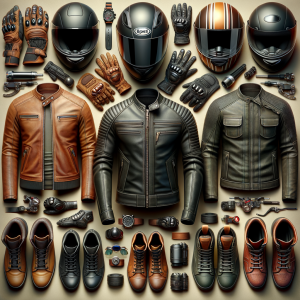
Choosing Accessories That Fit Your Riding Style
If you commute in stop-and-go traffic, compact and easy-access storage is king. A small waterproof tank bag or backpack with a rain cover gives you quick access to keys, phone, and lunch without upsetting the bike’s weight balance. Look for low-profile mounts and secure attachment points that won’t snag when you climb off the bike, and prioritize reflective panels for visibility during dawn/dusk rides.
For weekend cruisers and cafe-racers who value style and a minimalist footprint, soft saddlebags or a sleek tail bag are usually the best match. These keep weight low and centered, preserving handling and the look of the bike. Choose materials like premium leather or ballistic nylon that match your aesthetic but also check for reinforced seams and waterproof liners — style is great, but soggy boots aren’t.
Long-distance tourers need capacity, durability, and organized packing more than flash. Hard panniers and a lockable top case provide weatherproof security, higher load ratings, and predictable weight distribution. Pay attention to load capacity, mounting system compatibility, and how the extra mass affects your center of gravity; small changes up high on a top case can significantly alter steering feel at speed.
Comfort, Safety, and Style: Pick Smart Gear
Comfort starts with ergonomics and continues into how you distribute weight. Heavier luggage should sit low and central (side panniers or low-mounted soft bags) to keep the bike stable under braking and through corners. For riders with back or shoulder issues, a tank bag or tail bag with a padded backrest can reduce fatigue on long rides — ergonomics are as much about packing strategy as they are about hardware.
Safety considerations include secure mounting, vibration resistance, and weather protection. Look for racks with solid attachment points, vibration-damping mounts or rubber isolators to protect electronics, and cases rated for water resistance (IP ratings when available). Lockable hard cases add theft deterrence for overnight stops, and reflective strips or high-visibility panels increase conspicuity in poor light without ruining your bike’s look.
Style shouldn’t trump safety, but it can coexist with smart choices. Modern materials like Cordura and ballistic nylon offer a rugged look while resisting abrasion and water; lightweight ABS or aluminum panniers blend strength with a clean aesthetic. When matching accessories to your bike’s style, consider finish, hardware tone, and how a bag’s shape interacts with the motorcycle’s lines — practical and pretty can be one and the same.
Matching Mounts, Materials, and Practical Tips
Mounting systems matter more than most riders expect. Quick-release racks are perfect for mixed-use bikes that switch between commuting and touring, while fixed racks provide the stiffest, most secure platform for heavy loads and harsh conditions. Always verify compatibility with your model — one-size-fits-all racks often need adapters or additional brackets for a solid fit.
Materials affect durability and weight. Leather ages well and looks great but needs care and is less weatherproof without liners. Ballistic nylon and Cordura resist tears and shed water; look for welded seams or taped zippers for waterproofing. For hard cases, ABS is lightweight and economical, while aluminum offers higher impact resistance and a premium finish; both need good sealing gaskets to keep water out.
Practical setup tips: measure clearance between your luggage and passenger/footpeg areas, check that exhaust and heat sources won’t damage bags, and distribute weight evenly left-to-right. Use cam straps with rated buckles rather than cheap bungee cords, add a rain cover or dry bag for electronics, and perform a shake test after mounting — ride 10–15 miles with a load and re-torque fasteners. Common mistakes to avoid include overloading beyond stated capacity, mounting soft bags too high on sportbikes, and skipping a test ride after installation.
Matching your motorcycle luggage and storage to how you actually ride makes every mile safer and more enjoyable — whether that means a nimble tank bag for city runs, a stylish pair of saddlebags for weekend cruises, or sturdy panniers for cross-country touring. Pick mounts that fit, materials that endure, and pack with balance in mind. One final tip: start small and test changes on short trips; your bike will thank you with smoother handling and fewer surprises on the road. Safe riding — and may your gear be as reliable as your sense of adventure.