
Custom details are the punctuation marks on the sentence that is your motorcycle. Whether you commute to work, ride weekends with friends, or take long cross-country trips, small aftermarket touches — from grips to mirrors, seats to lighting — change how the bike feels, how it performs, and how people read it at a glance. As someone who’s spent years fitting parts, teaching riders about ergonomics, and logging miles on a range of machines, I’ll show how deliberate choices turn a machine into a statement without sacrificing function.
You don’t need a full rebuild to make a bike sing. Thoughtful, durable upgrades offer immediate comfort gains, clearer visibility, and a unique look that says something about who you are. Below I focus on common accessory categories — grips, mirrors, seats, and lighting — and explain practical tips, materials facts, and real-world considerations so you can pick parts that look great and last.
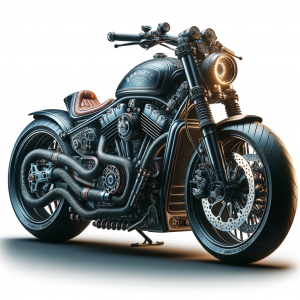
How Small Custom Details Turn Your Bike Into Art
The first thing people notice is detail: a matched set of anodized bar ends and levers, hand-stitched seat piping that echoes the tank stripe, or a compact LED cluster tucked neatly under the cowl. Those small contrasts — texture against paint, matte against gloss, or a pop of color in an otherwise neutral palette — create a cohesive aesthetic. When you treat accessories as parts of a design language rather than afterthoughts, the bike reads as intentional rather than pieced together.
Craftsmanship shows. Machined aluminum, precision-stitched leather, and properly finished fasteners communicate quality at a glance. These finishes also age better: powder-coated brackets resist chips; anodized parts won’t flake like cheap paint. Choosing materials that match your build’s level of finish helps create a motorcycle that’s more art than appliance.
Start small and build a theme. Pick two or three focal elements (for example, bronze levers, a tan seat, and warm LED bulbs) and carry that motif through smaller pieces like mirrors, grips, and bolts. Practical tip: take a photo of the bike in good light and plan changes digitally or on paper before buying — it cuts down on mismatched accessories and buyer’s remorse.
Practical Upgrades That Improve Form and Function
Grips and levers are the first place to look for comfort and control. Ergonomic grips with gel inserts or multi-density compounds reduce vibration and hand fatigue on long rides; adjustable levers let you fine-tune reach for gloved hands. Look for grips with urethane or rubber compounds rated for UV exposure to avoid hardening and cracking, and pick levers with solid pivot bearings rather than cheap bushings for smoother action under load.
Mirrors and lighting are safety upgrades that double as style. Bar-end mirrors and short-stalk replacements tidy up lines and can improve rear visibility if properly positioned. For lights, choose sealed, serviceable LED units with proper water ingress (IP67 or higher) and integrated resistors or CAN-bus compatibility if your bike uses electronic systems. Proper mounting and aiming of headlights, auxiliary lights, and turn signals is essential — street legal alignment isn’t optional if you want to be seen without blinding others.
Seats and luggage solutions marry comfort with utility. A quality aftermarket seat uses density-layered foam and breathable covers to prevent pressure points and sweat buildup on long days. When selecting racks or pannier mounts, mind weight distribution: heavy items should sit low and close to the centerline to preserve handling. Practical shopping tips: check mounting methods for bolt patterns and subframe compatibility, and prefer modular systems that can be moved or upgraded without cutting or welding.
Choosing Durable Parts for Style and Longevity
Material choice dictates how long an accessory keeps its looks and function. Stainless steel fasteners, 6061-T6 aluminum for brackets, and UV-stable polymers for exposed components resist the common killers: corrosion, metal fatigue, and sun degradation. Finishes like hard-anodize and powder coat offer better abrasion resistance than simple paint, so invest a little more up front to avoid replacement or refinish expenses down the road.
Vibration is the enemy of clumsy installs. Use lock washers, thread-locking compound where appropriate (blue Loctite for removable fasteners, red for permanent ones you don’t plan to remove), and torque to manufacturer specs to prevent loosening. For electronics, ensure connectors are sealed, wires routed away from hot or moving parts, and strain reliefs used at entry points to protect against chafing and load cycles — a little attention here prevents intermittent faults and corroded connections later.
Avoid common mistakes: buying the cheapest plastic because it “looks right” only to have it crack in a season; ignoring weight and how it changes handling; or installing non-compliant lighting that can get you a ticket. Do your homework on fitment charts, ask sellers about mounting templates, and when in doubt, invest in bolt-on adapters or professional installation for critical parts like brake levers or electrical upgrades. A well-chosen, properly installed accessory will keep your bike looking and performing like you intended for years.
Custom details give your bike personality, yes — but they also buy comfort, safety, and durability when chosen wisely. Treat grips, mirrors, seats, and lighting as both functional upgrades and design elements. Match materials, respect mounting methods, and think about long-term exposure to vibration, weather, and wear before you buy.
Final tip: start with what affects your daily ride the most. Swap grips or the seat if you commute, upgrade lighting for safety if you ride at night, or invest in durable mounting hardware if you tour. Small, thoughtful changes add up — your bike will look intentional, ride better, and tell your story every time you roll down the road.