
Outfitting your motorcycle for everyday comfort and safety is one of the best investments you can make as a rider — whether you commute through city traffic, run weekend errands, or plan longer weekend cruises. The right accessories reduce fatigue, improve control, keep your kit dry and organized, and can mean the difference between a pleasant ride and a trip cut short by soreness or a preventable mishap. In this article I’ll share practical, rider-tested upgrades and buying tips that work across commuter bikes, ADV machines, and cruisers.
I write as someone who’s lived with the consequences of a bad seat, a slippery tank bag, and a too-heavy top case — and learned how to fix those mistakes. Expect straightforward recommendations on comfort improvements (seats, wind protection, heated controls), safety and visibility enhancements (lights, armor, mounting practices), and real-world storage and mounting tips so your bike handles the way it should. Read on to outfit your ride smartly, without unnecessary gimmicks.
These tips blend practical ergonomics and technical details — foam density, vibration resistance, IP ratings, mounting hardware and compatibility — explained in plain language so you can make better shopping and installation choices today. I’ll also flag common rider mistakes and how to avoid them, because comfort and safety are cumulative: small upgrades add up to a much better day on two wheels.
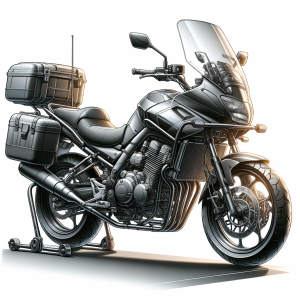
Everyday Essentials: Comfort Upgrades for Your Bike
A better seat is the single most meaningful comfort upgrade for most riders. Aftermarket seats often use higher‑density foam, layered gels, or memory-foam inserts to spread pressure and reduce hotspots; look for seats with replaceable covers and corrosion-resistant mounting hardware. When shopping, consider seat width and rake: narrow seats help shorter riders meet the ground, while a slightly wider contact patch can relieve sit-bone pain on longer rides. Don’t forget to do a test ride or borrow a seat from a friend if possible — comfort is personal and subjective, and foam density ratings alone won’t tell the full story.
Wind protection and handlebars change the way your body feels after an hour in the saddle. A small adjustable windshield can reduce neck and torso fatigue by deflecting buffeting, while riser kits and different bar bends let you tune reach and wrist angle to avoid numbness. Heated grips or a heated-seat element are simple electrical upgrades for cold climates; look for controllers with multiple output levels, good waterproofing (an IP67 rating is ideal for connectors), and vibration-resistant grips that keep warmth where you want it without loosening over time.
Suspension and ergonomics tie everything together — don’t ignore sag, fork settings, and footpeg position. A stiffer rear spring or a progressive fork cartridge can improve support when you’re carrying a backpack or luggage, while adjustable footpegs and aftermarket rearsets let you fine-tune knee angle for longer comfort. Common mistakes include buying the cheapest gel pad or blanket cover (they compress quickly) and adding heavy accessories that change seat height without considering weight distribution. Plan upgrades holistically: comfort works best when seat, wind, and suspension are addressed together.
Smart Safety Gear and Visibility Upgrades for Riders
Upgrading lights is one of the highest-ROI safety changes you can make. Swap to quality LED headlamps and auxiliary driving lights that are properly aimed and wired with fused relays; LEDs offer brighter, whiter output and longer life but require correct heat sinking and a stable mounting solution to resist vibration. Consider a brake-light flasher or a smart LED tail module that increases rear visibility under braking — small additions that make you pop in traffic. Check local regulations before installing strobe-like patterns; brightness is great, but legality and considerate use are important.
Personal protective gear remains the foundation of safety: a properly fitted helmet, CE-rated armored jacket and pants, gloves with knuckle protection, and sturdy boots. Modern materials like D30 and SAS-TEC offer flexible impact protection that’s comfortable on the move; when buying, prioritize fit and armor placement over brand hype. For urban riding, add reflective panels or a high-visibility vest and think about a helmet with an integrated commuter visor or anti-fog insert to keep vision clear during variable weather.
Mountings and electronics must be vibration-resistant and weatherproof to be effective over time. Use locknuts, threadlocker where appropriate, and insulated waterproof connectors (look for IP67 or better) when wiring lights or heated gear. Avoid overloading circuits — install a fused relay and, if adding multiple accessories, a dedicated fused distribution block or small auxiliary battery. A common mistake is daisy-chaining low-quality accessories onto the main harness: it creates voltage drop, loose connectors, and intermittent failures. Plan the wiring with quality connectors and secure runs to prevent wear from heat and vibration.
Storage, Mounting, and Fit: Practical Accessory Tips
Choose luggage systems with attention to mounting method and weight distribution. Hard panniers and top cases offer security and weather protection but add mass up high; if you commute with a heavy load daily, favor low-mounted panniers or saddlebags and keep the heaviest items close to the bike’s centerline. Soft luggage and tank bags are lighter and more forgiving on mounts, but check attachment methods — magnetic bags can be convenient, but they must use an additional strap to prevent sliding under hard acceleration or emergency stops.
Phone mounts, GPS cradles, and tank bags are daily-use accessories that must withstand vibration and weather. Pick mounts with vibration isolation, rubberized cradles, and secure clamping mechanisms; avoid cheap plastic ball joints that loosen quickly. Think about routing charging cables so they don’t chafe or pinch, and use waterproof covers or drybags for electronics. When fitting a tank bag, ensure fuel cap access and that nothing interferes with steering; a simple trick is to sit on the bike with the bag mounted to confirm reach and sight lines before fully loading up.
Installation and fit matter almost as much as the product you buy. Use bike-specific racks and manufacturer-approved mounting kits where available; universal solutions often require extra reinforcement or custom brackets that can introduce stress points. Pay attention to torque specs on mounting bolts, secure stray straps to prevent chain or wheel entanglement, and inspect mounts periodically for corrosion or loosened hardware. A frequent error is overloading a rack beyond its rated capacity — always check the combined weight limit and distribute weight for stable handling.
Outfitting your motorcycle for everyday comfort and safety doesn’t have to be expensive or complicated — it’s about thoughtful upgrades that work with your riding style. Start with a seat and windshield that reduce fatigue, add visibility and protective gear to stay safe in traffic, and choose luggage and mounts that respect weight and vibration constraints. Make one change at a time and test the results so you know what truly improves your ride.
Practical final tip: prioritize upgrades that improve control and reduce rider fatigue before adding convenience luxuries. A comfortable, confident rider is the best safety system of all. Now grab your checklist, pick your first upgrade, and enjoy the ride — smarter, comfier, and a little more prepared for whatever the road throws at you.