
When it comes to knives, many of us assume that the higher the price tag, the sharper and more durable the blade will be. After all, you get what you pay for, right? Well, not always. Expensive knives can sometimes leave even the most skilled users scratching their heads in disappointment. Whether it’s a pricey chef’s knife, a high-end EDC (everyday carry), or a premium hunting blade, there are several reasons why cost doesn’t always equate to superior performance. Understanding these factors can save you money, frustration, and perhaps a few accidental nicks along the way.
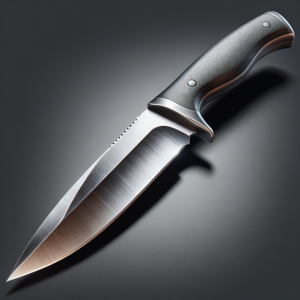
Why High Price Tags Don’t Always Mean Better Knives
The first thing to recognize is that a knife’s price can be influenced by many factors beyond just its raw cutting ability. Brand reputation, marketing, exotic materials, and fancy handle designs often inflate the cost without adding practical benefits. Some knives boast ultra-hard steels that sound impressive in specs but are brittle in real-world use, leading to chips or cracks after minimal abuse. For example, a blade with a Rockwell hardness rating above 65 might hold an edge longer but becomes prone to breaking, which can be frustrating for users who expect durability.
Another significant factor is ergonomics and fit. An expensive knife might feature a handle made from rare wood or titanium, but if it doesn’t fit your hand well or feels awkward to maneuver, it won’t perform as effectively as a cheaper, well-balanced knife designed with user comfort in mind. Knife makers sometimes prioritize aesthetics over feel, which can lead to hand fatigue or poor control—critical for precision cutting tasks.
Additionally, the heat treatment process, which determines the blade’s toughness and edge retention, varies widely between manufacturers and even batches. A beautifully crafted knife can falter if the heat treatment was improperly done, causing the steel to be too soft or too brittle. Unlike some other consumer products, you can’t always tell how well a knife was heat-treated just by looking at it or knowing the price, which means a costly knife could still underperform compared to a modestly priced, well-made alternative.
Common Pitfalls Even Skilled Users Face with Expensive Blades
One common mistake even experienced users make is overestimating what a high-end blade can handle without proper care. Skilled users often push expensive knives to the limit—cutting tougher materials, using the knife for prying or twisting, or neglecting regular maintenance. Expensive steel types like CPM-S110V or ZDP-189 require consistent sharpening with the right tools and oils to prevent corrosion. Failing to keep these knives clean and sharp can lead to disappointing dullness or rust spots that undermine their higher cost.
Another pitfall is assuming that all sharpening is created equal. Some users send their pricey knives to professional sharpeners who might not understand the specific steel’s characteristics or preferred edge angle. A misjudged bevel angle or improper sharpening technique can ruin the edge geometry, making the knife less effective than it was out of the box. Skilled users should invest time learning the right way to sharpen and maintain their blades or find reputable experts who specialize in the steel type.
Lastly, many users overlook how different knives excel in different scenarios. A high-priced chef’s knife optimized for slicing vegetables may falter when used for tougher tasks like filleting fish or breaking down game. Expensive doesn’t mean versatile. Knowing the intended use of your knife and matching it with the appropriate blade design, steel, and handle configuration will prevent disappointment. Sometimes, combining a few well-chosen, moderately priced knives tailored to specific tasks outperforms a single high-end all-rounder.
At the end of the day, the best knife isn’t always the most expensive one hanging in your kitchen or tucked in your gear bag. It’s the one that feels right in your hand, suits the tasks you perform most, and is cared for properly. Don’t be dazzled solely by price tags or exotic materials—focus on ergonomics, heat treatment quality, and real-world usability. Remember, even the sharpest, priciest blade can become a letdown without regular maintenance and mindful use. So sharpen your skills as much as your knives, and your cutting experience will be rewarding no matter the price. Happy slicing!