
Choosing the perfect knife isn’t just about picking the sharpest blade or the flashiest handle. It’s about finding a tool that feels like an extension of your hand—one that fits comfortably, performs reliably, and sparks confidence every time you use it. Whether you’re a kitchen warrior, an everyday carry (EDC) enthusiast, or an outdoor adventurer, the right knife can make all the difference. So how do you pick a knife that fits like a glove? Let’s dive into the anatomy of knives and the key factors you need to consider to find your ideal cutting companion.
Understanding Knife Anatomy to Find Your Ideal Fit
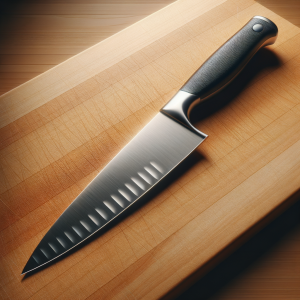
Before you fall in love with a knife’s shiny blade or cool design, it helps to understand what makes it tick—starting with its anatomy. A knife basically consists of three main parts: the blade, the handle, and the tang, which is the metal portion of the blade extending into the handle. Each part plays a crucial role in comfort and performance. The blade shape and length determine how well it suits your intended tasks. For example, a drop point blade excels at precision cutting, while a tanto blade is great for piercing tough materials.
The handle isn’t just about aesthetics—it’s the part your hand interacts with the most. Handles come in various materials like wood, G-10, carbon fiber, or polymer, each offering a different grip feel and durability. Ergonomics is key here; a handle that fits your hand size and grip style helps prevent fatigue and slips. Don’t overlook the tang type too. A full tang, where the metal runs the entire handle length, provides strength and balance, while a partial tang might be lighter but less durable.
Edge geometry and blade steel are other critical factors in knife anatomy. The blade’s edge angle and grind affect sharpness and how easy it is to sharpen. For instance, a thinner edge angle means a sharper, more precise cut but potentially less durability. Meanwhile, the steel type and heat treatment determine hardness, corrosion resistance, and edge retention. High-carbon steel blades hold an edge longer but require more maintenance to prevent rust, while stainless steels offer easier upkeep at the cost of some edge retention.
Key Factors to Consider When Choosing Your Perfect Knife
Once you understand the basics, it’s time to zero in on your personal needs and preferences. First, consider the knife’s purpose. Are you looking for a kitchen knife that excels at slicing and dicing? An EDC knife that’s compact and easy to carry? Or maybe a rugged outdoor knife that can handle chopping wood and skinning game? Each use case demands different blade lengths, shapes, and handle designs. Buying a “jack-of-all-trades” knife can be tempting, but it often means compromises in comfort or performance.
Next up: handle fit and ergonomics. Take your time to hold several knives if you can—either in-store or at knife meetups. Pay attention to how your fingers curl around the handle, how the knife balances in your hand, and whether your grip feels secure without strain. Remember, you’ll be using this tool for extended periods, so a poor fit can quickly cause blisters or fatigue. If you’re shopping online, look for detailed handle measurements and reviews mentioning grip comfort.
Finally, think about maintenance and safety. A knife that “fits like a glove” should also be easy to clean and maintain. Consider blade coatings or steels that resist rust if you’re in humid environments. Look for features like finger guards or textured handles that reduce the chance of slips. And don’t forget safety gear like sheathes or blade covers, especially for outdoor or EDC knives. A great knife isn’t just about feel—it’s about reliable performance and protecting yourself during use.
Finding a knife that fits like a glove takes a bit of homework, but the payoff is huge: a tool that feels natural, handles well, and makes every cut a joy. Remember, it’s about the complete package—blade, handle, fit, and care. Don’t rush the process, and don’t be afraid to try before you buy. With the right knowledge and a bit of patience, you’ll soon wield a knife that feels less like a tool and more like an extension of your own hand. Happy cutting!