
When it comes to choosing the perfect everyday knife, many people get caught up in the numbers game—how heavy is it? How much steel does it pack? While weight is certainly a factor, it’s not the full story. What often gets overlooked is balance: the subtle harmony between the blade and handle that transforms a good knife into a great one. In this article, we’ll explore why knife balance beats sheer weight for better everyday use, and how understanding this can help you pick, use, and appreciate your knives on a whole new level.
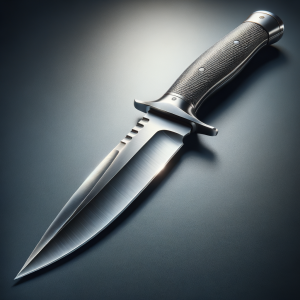
Why Knife Balance Outshines Weight for Everyday Tasks
At first glance, a heavier knife might feel like it can power through anything, and a lighter one seems easier to carry. But weight alone doesn’t guarantee a knife will feel good or perform well during daily tasks. Balance—a knife’s center of gravity—is what really determines how it handles in your hand. A well-balanced knife distributes weight evenly between the blade and handle, making it feel more natural and less fatiguing to use over time.
The science behind balance is straightforward: when the center of gravity is closer to the point where your hand grips the knife, you get better control and precision. If the knife is blade-heavy, it might feel cumbersome and awkward, increasing the chance of slips or accidents. Conversely, a handle-heavy knife can feel unwieldy and less effective for cutting tasks. Balance allows you to work with your knife rather than against it, improving efficiency whether you’re slicing vegetables, carving wood, or prepping game.
Another often overlooked advantage of balance over weight is versatility. A knife that’s well-balanced adapts more easily to different cutting techniques and tasks, whereas a heavier knife might be too much for delicate jobs or tiring for extended use. For everyday carry (EDC), kitchen, or outdoor knives, balance offers the sweet spot between power and finesse, reducing hand strain and improving your overall cutting experience.
How Proper Balance Enhances Control and Comfort
Imagine peeling an apple with a knife that feels like it’s fighting your hand—every cut is a struggle, and your wrist tires quickly. Now imagine that same task with a knife that feels like an extension of your arm, moving smoothly and predictably. That’s the magic of proper balance. It enhances control by making the knife’s movements more intuitive and less reliant on brute force.
Control isn’t just about comfort; it’s also about safety. When a knife is balanced well, your hand naturally finds the optimal grip, reducing the chances of slips and accidents. This is why many knife designers carefully position the tang, bolster, and handle materials to achieve the right balance point. For example, full tang knives often offer superior balance because the steel runs the entire length of the handle, stabilizing the knife’s feel and alignment.
Comfort goes hand-in-hand with control. A balanced knife lets you maintain a relaxed grip, which prevents hand cramps and wrist fatigue during repetitive motions. This is essential for outdoor enthusiasts, chefs, and anyone who relies on their knife as a daily tool. When shopping for your next knife, test the balance by holding it in your hand and seeing where it naturally pivots. If it feels like it wants to tip forward or backward, it’s likely unbalanced—look for one that centers near your pinch grip for maximum comfort.
So, next time you’re tempted to focus solely on a knife’s weight, remember that balance is the real secret sauce behind effortless, precise cutting. A well-balanced knife feels like it was made just for your hand—offering control, comfort, and versatility that heavy or light alone can’t match. Whether you’re tackling kitchen prep, camping chores, or everyday tasks, paying attention to balance will elevate your knife experience and keep your fingers safer. Happy cutting, and may your next blade feel perfectly balanced in your palm!