
Choosing a quality knife can feel overwhelming, especially when faced with countless options and technical jargon. Yet, picking the right knife quickly is a skill every buyer should have, whether you’re shopping for a versatile everyday carry (EDC) blade, a rugged outdoor companion, or a precise kitchen tool. Knowing how to spot a good knife in seconds saves you time, money, and a lot of frustration down the road. This guide will arm you with essential tips to identify quality knives fast, helping you make confident choices no matter your experience level.
Quick Visual Checks to Identify a Quality Knife Instantly
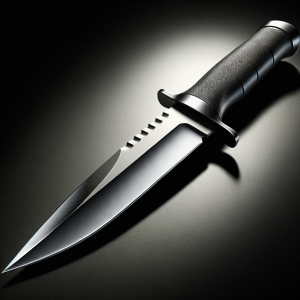
When you first pick up a knife, your eyes and fingers can tell you a lot about its quality before you even test the blade. Start by examining the blade itself: a quality knife will have a clean, consistent grind with no uneven spots or rough edges along the blade’s length. Look out for a blade made from high-quality steel, often indicated by a smooth, polished finish with minimal discoloration or pitting that might suggest poor corrosion resistance.
Next, check the handle’s construction. Solid knives typically feature handles that feel well-balanced and securely attached—there should be no wobble or gaps where the handle meets the blade. Materials like stabilized wood, micarta, or durable polymers are excellent choices, offering both comfort and longevity. If the knife has rivets or screws, these should be flush and tight, not loose or uneven.
Finally, inspect the overall fit and finish. A quality knife will have seamless transitions between blade, bolster, and handle. This means no sharp edges where your fingers grip, and no rattling parts. If the knife includes a locking mechanism, test it to ensure it’s sturdy and reliable. These quick visual and tactile checks allow you to weed out subpar knives and hone in on models that deserve closer consideration.
Key Features That Separate Good Knives From the Rest
Beyond the initial look, certain technical features truly distinguish a standout knife. The type of steel used is paramount: premium knives often use stainless steels like VG-10 or S30V, or high-carbon steels such as 1095 or O1, each offering a balance of hardness, edge retention, and corrosion resistance. Understanding that harder steels hold an edge longer but may be more brittle is helpful, especially for outdoor and utility blades.
Edge geometry is another critical factor. Good knives have edges ground to an optimal angle—usually between 15-20 degrees per side for kitchen and EDC knives—to provide sharpness without sacrificing durability. Thicker edges suit heavy-duty tasks, while thinner, finer edges excel at precision cutting. Heat treatment quality also plays a subtle but crucial role, as it determines the blade’s toughness and flexibility; reputable brands often disclose their treatment process, or you can gauge it by the knife’s hardness rating (measured in Rockwell scale).
Ergonomics shouldn’t be overlooked either. A good knife feels like an extension of your hand, reducing fatigue during use. Look for handles designed with finger grooves, textured surfaces, or non-slip coatings, especially if you plan to use the knife in wet or rough conditions. A comfortable grip combined with a well-balanced blade enhances control and safety, which is vital whether you’re slicing vegetables or whittling wood.
Mastering the art of spotting a quality knife quickly is a game-changer for buyers at any level. By honing your eye for clean craftsmanship, strong materials, and thoughtful design, you’ll sidestep common pitfalls like flimsy handles, poor steel, or awkward ergonomics. Remember, a knife is more than just a tool—it’s a trusted companion for countless tasks. So, next time you’re in the market, armed with these tips, you’ll be ready to cut through the noise and pick a blade that performs beautifully and lasts for years. Happy slicing!