
If you’ve ever struggled to slice through a crusty loaf of bread or found your kitchen knife slipping on a tough tomato, you might have wished for a different type of blade. Enter serrated knives—those teeth-lined warriors designed for specific cutting challenges. While straight-edge knives often steal the spotlight in kitchen drawers and survival kits, serrated knives have a distinct purpose and unique advantages that make them indispensable. Understanding why serrated knives were invented and when to reach for them over straight blades can elevate your cutting game, whether you’re a novice cook or a seasoned outdoors enthusiast.
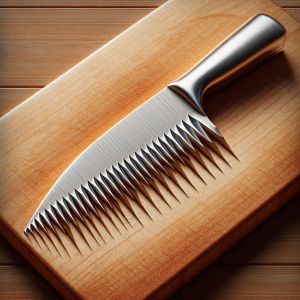
Understanding Why Serrated Knives Were Invented
Serrated knives didn’t magically appear overnight—they were developed to solve a very practical problem: cutting through tough, fibrous, or slippery materials without crushing or tearing them. The teeth along a serrated blade mimic a saw’s action, enabling the knife to grip and slice through surfaces that a smooth edge would struggle with. This design is especially important in applications like slicing bread, where a straight blade might compress the loaf instead of cleanly cutting it.
Technologically speaking, serrations distribute the cutting force over smaller points of contact, which increases pressure at those points. This allows the blade to penetrate tough surfaces more easily. The geometry of the teeth also reduces friction during cutting, meaning less effort is required from you. Materials like bread crusts, rope, and even certain meats with tough exteriors benefit immensely from this design. The edge geometry combined with high-quality steel—often hardened differently from straight blades—ensures the serrated knife maintains its rough edge longer, even if it’s harder to sharpen.
Historically, serrated knives have roots in both culinary and utilitarian uses. In the kitchen, they became popular for bread and tomatoes, but outside, serrated edges made their way into survival and tactical knives, where cutting rope, fabric, or wood efficiently can be critical. Understanding this evolution helps appreciate why serrated knives occupy a unique niche—they’re not trying to replace straight edges but to complement them by addressing the kinds of cutting jobs that smooth blades find challenging.
Key Situations When Serrated Edges Outperform Straight Blades
One of the most common and well-known uses for serrated knives is slicing bread. Thanks to their saw-like teeth, serrated blades slice through hard crusts without squashing the soft interior. This makes them essential for bakers and home cooks alike. The same principle applies to other foods with tough exteriors and soft insides, like tomatoes or citrus fruits. When precision and finesse matter, but you don’t want to wrestle with the food’s texture, a serrated knife is your best friend.
Beyond the kitchen, serrated knives shine in outdoor and utility scenarios. For example, if you’re camping or hiking, you might need to cut rope, cord, or even small branches. Here, serrations grip the fibrous or rough material and saw through it more efficiently than a straight edge that might slip or require excessive force. Tactical and survival knives often incorporate serrated sections for this reason—to provide multi-functionality in a single tool.
However, it’s important to know when not to use a serrated knife. They are not ideal for tasks requiring clean, precise cuts, like chopping herbs or fine slicing of meat. Serrated edges can tear delicate foods and are harder to sharpen at home without specialized tools. For everyday kitchen prep or tasks requiring smooth cuts, a well-maintained straight-edge blade is usually preferable. Knowing when to switch between serrated and straight blades can save you time, effort, and frustration.
Serrated knives are more than just the “bread knives” lurking in your drawer—they are specialized tools crafted to tackle tough, fibrous, and slippery materials with ease and efficiency. By understanding their origin, design, and ideal uses, you can make smarter choices about when to grab a serrated blade versus a straight edge. Whether you’re slicing crusty loaves, hacking through rope on a camping trip, or prepping juicy tomatoes, having the right knife in hand makes all the difference. So next time you face a tricky slicing job, remember: sometimes those teeth are exactly what you need. Keep your serrated blades clean, occasionally sharpen with proper tools, and enjoy the unique cutting power they bring to your collection!