
Ever picked up a knife that just feels sharp — slicing through paper or vegetables with ease — only to find the edge isn’t actually razor-thin or freshly honed? It’s a curious sensation that many knife users experience. You’d think sharpness is all about the edge itself, but sometimes, the way a knife feels in your hand has more to do with other factors. Understanding why some knives feel sharper than they really are can improve your cutting technique and help you choose tools that cut effectively without constant sharpening. Let’s dive into the science and design behind this interesting phenomenon.
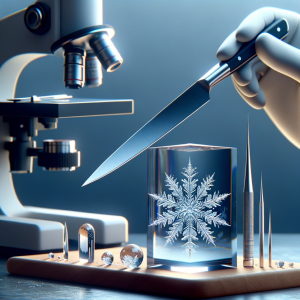
The Science Behind a Knife’s Perceived Sharpness
When we talk about sharpness, most people imagine a knife with a microscopic thin edge that cleanly slices through materials. While edge thinness is important, the perceived sharpness also hinges on how the blade interacts with the material and your hand. One key factor is the edge geometry — whether the blade has a convex, flat, or hollow grind. A blade with a more acute angle may slice more effortlessly, even if the edge is slightly dull. Conversely, a knife with a thicker bevel might feel “dull” because it resists penetration, despite being freshly sharpened.
Steel composition and heat treatment also play vital roles. Harder steels (measured on the Rockwell scale, often between 55-62 HRC for kitchen and outdoor knives) hold a sharper edge longer, but can sometimes feel “sticky” when cutting through fibrous materials if the edge isn’t polished well. Softer steels may lose their edge quickly but slice smoothly while they’re fresh. Moreover, microscopic irregularities at the blade edge can cause a sensation of “drag” or smoothness, impacting your perception of sharpness. Corrosion or micro-chipping, even if subtle, can dull the blade’s feel more than the eye detects.
The tactile feedback your hand receives also contributes to perceived sharpness. When a knife transitions smoothly through fibers or food without resistance, your brain interprets this as “sharp.” This is influenced by factors like blade finish and lubrication from juices or oils. Even ambient conditions—dry versus moist cutting surfaces—can alter how sharp a blade feels. So, sharpness isn’t only about the edge’s actual state, but the entire cutting experience from blade to material.
How Handle Design and Edge Shape Affect Cutting Feel
Handle design might seem unrelated to sharpness at first glance, but the ergonomic grip you maintain directly influences how efficiently you can apply force and control the blade. A comfortable handle that fits your hand reduces fatigue, allowing you to maintain a consistent cutting angle. When you can control the knife better, the blade feels sharper because every slice requires less effort. Conversely, a poorly designed handle that slips or causes discomfort can make even a razor-sharp blade feel dull and frustrating.
Edge shape and blade thickness also matter. A thinner blade with a carefully tapered edge can “slice” through materials more cleanly, creating the impression of sharpness. But if the handle forces your grip to be awkward, you lose leverage and precision, dulling the overall experience. Many modern knives feature subtle tweaks like finger choils, textured grips, or spine jimping that improve control without affecting the edge directly but dramatically impact how “sharp” the knife feels in action.
Finally, the angle at which you hold the knife — and the type of cut you’re making — amplifies these effects. For example, a slicing motion with a slight rocking action often feels sharper than a straight chop, even if the blade hasn’t changed. This is why some knives, especially those designed for specific tasks like filleting or peeling, feel “sharper” than multipurpose blades that must balance durability and edge retention. Knowing how to pair your knife’s edge shape and handle ergonomics with the right cutting technique is a secret weapon for maximizing perceived sharpness.
So, the next time your knife feels sharper than you expect, remember there’s more at play than just the edge’s condition. From steel type and edge geometry to handle comfort and cutting technique, many factors team up to give you that satisfying slicing experience. Keep your knife well-maintained, choose designs that fit your hand and use style, and experiment with different cutting motions to get the most out of your blade. After all, sharpness isn’t just science — it’s a feeling, and with the right knowledge, you can enjoy it every time you cut. Stay safe, and happy slicing!