
Whether you’re chopping veggies, whittling wood on a camping trip, or tackling a tough outdoor survival task, comfort is king when it comes to knife use. A knife that feels awkward or causes hand fatigue can quickly turn an enjoyable activity into a chore. But what exactly makes a knife comfortable for long hours of handling? Beyond sharpness and edge retention, the answer lies in a blend of design, materials, and ergonomics. For knife enthusiasts and everyday users alike, understanding these factors can transform your experience from just “getting the job done” to genuinely enjoying every cut.
Key Features That Enhance Knife Comfort for Long Use
First and foremost, the handle design plays a monumental role in comfort during extended use. Handles that fit the natural contour of your hand reduce strain and minimize hotspots—those painful pressure points that make your grip ache after a while. Look for knives with rounded edges on the handle instead of sharp or angular shapes, as these can dig into your palm with repetitive use. Textured materials or subtle patterns can improve grip security without requiring excessive force, which helps combat hand fatigue.
Blade weight and balance are also critical. A knife that’s too heavy can tire you out quickly, especially if you’re making many precise cuts. Conversely, a blade that’s too light might require extra effort to push through tougher materials. The sweet spot is a knife balanced at the handle-blade junction so it feels natural and responsive in your hand. Many users appreciate a slightly forward-weighted blade for chopping tasks but prefer a well-centered balance for detail work.
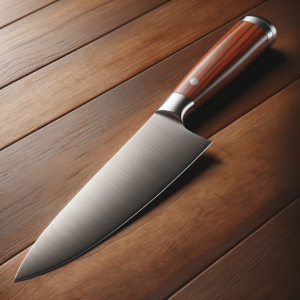
Lastly, handle materials influence comfort and usability in less obvious ways. For example, natural materials like wood offer warm, tactile appeal and are generally forgiving to hold for long stretches. Synthetic composites and rubberized grips excel in wet or slippery conditions, maintaining a secure hold and reducing the risk of accidents. Avoid hard plastic handles with no texture—they often become uncomfortable and slippery, especially if your hands sweat or get wet.
How Ergonomics and Materials Affect Handling Ease
Ergonomics is more than just a buzzword; it’s science applied to design for maximum comfort and function. Ergonomically shaped knives are designed to align with your hand’s natural position, reducing wrist strain and improving control. Features such as finger grooves, choils (the small notch at the blade’s base), and subtle palm swells allow your fingers to lock into place securely, encouraging proper grip without forcing your hand into awkward positions.
Material choice affects not only comfort but also durability and maintenance. High-carbon stainless steel blades, for example, offer excellent edge retention and corrosion resistance, which means less frequent sharpening and cleaning—both time-savers in the long run. Additionally, heat treatment processes influence blade hardness and flexibility, contributing to how well the knife performs under stress without chipping or bending.
In real-world use—whether in kitchen prep, camping, or everyday carry (EDC)—a well-designed knife with ergonomic considerations can make all the difference. For instance, prolonged slicing or carving can cause hand cramps if your knife doesn’t support a relaxed grip. Choosing knives with cushioned or rubberized handles helps absorb shock, while balanced weight distribution prevents your wrist from overcompensating. Remember, comfort isn’t just a luxury; it’s a safety feature that helps maintain control and precision.
Comfort might not be the first thing you think about when picking out a knife, but it should be high on your list. From handle contours and materials to blade balance and ergonomics, these factors work together to turn a simple tool into an extension of your hand. Next time you’re shopping or reaching for a knife during a long session, pay attention to how it feels—your hand will thank you later. After all, the best knife is the one you can use comfortably, confidently, and safely, day in and day out. Happy cutting!