
Choosing the right knife can feel like navigating a labyrinth of specs, materials, and marketing jargon. Whether you’re a newbie eager to make your first purchase or a seasoned knife enthusiast upgrading your collection, understanding which knife specifications truly matter is key to finding a blade that performs well, lasts long, and feels just right in your hand. After all, a great knife isn’t just about looking cool—it’s about how it slices, grips, and stands up to real-world tasks. So let’s cut through the noise and break down the essential specs you need to know before making that all-important buy.
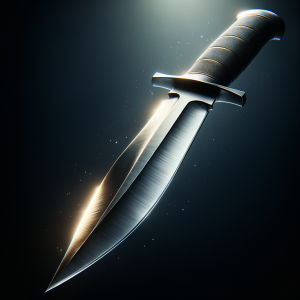
Understanding Key Knife Specs: What Really Counts
When you start digging into knife specs, the sheer variety can be overwhelming—steel type, blade length, hardness, handle material, edge angle, and more. But some specs deserve more attention because they directly impact your knife’s performance and durability. First off, blade steel is arguably the heart of any knife. It determines how sharp the blade can get, how long it holds that edge, and how resistant it is to rust and corrosion. High-carbon steels, for example, are loved for their sharpness and ease of sharpening but can be prone to rust without proper care. Stainless steels trade a bit of edge retention for excellent corrosion resistance, making them perfect for outdoor or kitchen use.
Next up is blade geometry and edge angle. The thickness of the blade and the angle at which the edge is sharpened affect both cutting ability and durability. A thinner blade with a sharper edge angle slices through food or rope effortlessly but can be more delicate and prone to chipping. Conversely, a thicker blade with a wider edge angle is tougher for heavy-duty tasks but won’t feel as razor sharp. Knowing your intended use helps here: precision slicing calls for a finer edge, while survival or utility knives need a robust edge that can handle abuse.
Don’t forget the handle—because no matter how great the blade is, an uncomfortable grip can ruin your experience (and cause accidents). Handle materials range from wood and micarta to G-10 and carbon fiber, each with its own feel, grip texture, and durability. Ergonomics matter just as much as material: a handle shaped to fit your hand comfortably reduces fatigue and improves control. Also, pay attention to handle length and thickness relative to your hand size—too small or too big can lead to slips or cramps, especially during prolonged use.
How Steel, Edge, and Handle Shape Affect Performance
Steel is the backbone of your knife’s performance. Different steels bring different strengths and weaknesses to the table. For instance, 440C stainless steel is a popular all-rounder with good corrosion resistance and decent edge retention. Meanwhile, something like S30V or VG-10 is prized for exceptional edge retention and toughness but demands more care to avoid corrosion. Heat treatment is a crucial but often overlooked factor—it’s the process that unlocks the steel’s true potential by balancing hardness and toughness. A poorly heat-treated blade might be brittle or too soft, regardless of the steel’s theoretical qualities.
Edge geometry isn’t just about sharpness; it dictates how the knife handles various tasks. A drop point blade with a convex grind, for example, offers a strong tip and good slicing ability—ideal for hunting and general use. A tanto blade with a more aggressive angle excels at piercing tough materials. The edge angle, typically between 15° to 25°, influences how sharp and durable the edge will be. Asian-style knives often have a narrower angle (~15°), making them sharper but less durable than Western-style knives (~20°), which are more rugged but require more effort to sharpen finely.
Handle shape and material tie everything together into a usable tool. A well-designed handle enhances control, safety, and comfort—no matter the task. Textured materials like G-10 or rubber provide excellent grip in wet conditions, which is especially important for outdoor or survival knives. Wood handles, while aesthetically pleasing and warm to the touch, may require more maintenance to prevent swelling or cracking. Additionally, consider whether you want a full tang handle (where the blade steel extends through the handle), which offers superior strength and balance, versus a partial tang or folding design, which might prioritize compactness over ruggedness.
At the end of the day, the best knife for you balances these key specs to fit your personal needs and style of use. Steel type, edge geometry, and handle design aren’t just technical details—they’re the factors that determine how well your knife cuts, how long it lasts, and how safe and comfortable it feels in your hand. Take your time to assess what tasks you’ll use your knife for most, and don’t hesitate to test handles or ask about steel treatments before buying. With the right knowledge, you’ll slice smarter, carve with confidence, and enjoy your blade for years to come—plus, you’ll have one less thing to worry about when it’s time to sharpen up or head into the great outdoors. Happy cutting!