
Everyday motorcycle accessories are the little details that quietly turn a good ride into a great one. You don’t need a flashy exhaust or carbon fiber fairings to notice a big difference—sometimes a better phone mount, a compact tire repair kit, or a gel seat pad is what makes your commute more comfortable, your weekend tour less stressful, and your bike more useful overall. As someone who’s spent thousands of miles testing gear in city traffic, on twisty backroads, and across long-haul trips, I can tell you the right small upgrades repay themselves in convenience and safety.
This article highlights overlooked items that most riders never think to buy until they desperately need them. I’ll explain why these accessories matter, recommend everyday picks for comfort, safety, and storage, and share installation tips and common buying mistakes so your upgrades last and actually improve your ride. Read on—your future self, stuck in a downpour with a leaking backpack, will thank you.
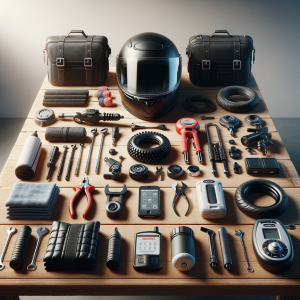
Why Small Motorcycle Accessories Change Your Ride
Small accessories alter the rider-bike interface. Swap a thin stock seat for a gel pad or install ergonomic grips and the way you hold the bars changes, reducing wrist and back fatigue on longer rides. These small comfort upgrades change posture and pressure points; that’s physics—and practical ergonomics—at work. Over a day of riding those small adjustments compound into noticeably less soreness and sharper attention.
Beyond comfort, minor accessories influence safety margins. A better mirror or LED auxiliary light improves your ability to see and be seen at low cost and little weight. Even modest changes like a vibration-damping phone mount or a quality helmet lock can reduce distraction and the risk of theft. The key is that these small items often deliver outsized returns in everyday situations—commuting, quick errands, or sudden weather changes.
Finally, fit and materials matter. Look for corrosion-resistant stainless hardware, UV-stable nylon or Cordura for bags, silicone or rubber vibration isolators for mounts, and heat-tolerant wire insulation for chargers. Proper mounting method—clamp, strap, or quick-release—determines whether something becomes usable or a nuisance. Small investments in the right materials and mount types prevent failures caused by vibration, water, and sunlight.
Everyday Picks for Comfort, Safety, and Storage
Comfort: heated grips for cold mornings, a thin gel seat pad for improved saddle feel, and adjustable footpegs or risers for ergonomics. Heated grips use resistive elements and draw modest current—make sure your stator or accessory fuse can handle the load and use a dedicated fused circuit. Gel or memory-foam pads are low-cost, low-weight fixes that improve pressure distribution and come off easily for cleaning.
Safety: a compact tire repair kit plus a CO2 or mini-pump, quality LED auxiliary lights, and frame sliders or bar-end sliders. A tire kit with plugs and a small compressor can turn a roadside stoppage into a ten-minute fix—learn how to use it at home before you need it. Lightweight LED pods on a trusted mounting point increase conspicuity without draining your battery if wired to ignition-switched power.
Storage and convenience: tank bags with clear map pockets, magnetic quick-release mounts, tail bags, and a slim waterproof phone pouch or USB charger. Materials like 600D or ballistic nylon with welded seams and YKK waterproof zippers extend life. Choose mounting systems—magnetic, strap, or harness—that match your luggage needs; a harness is more secure for touring, while a magnetic tank bag is great for short errands or photo stops.
Smart Installation Tips and Common Buying Mistakes
Installation basics: always use proper torque values for bolts, threadlocker on critical fasteners where vibration is an issue, and route wiring away from heat sources and moving parts. Test-fit before drilling holes; use adhesive mounts only on clean, dry surfaces and consider backing plates for thin panels. For powered accessories, use in-line fuses close to the battery and check the rated amp draw—cheap USB chargers can fail or overload a circuit.
Common mistakes include buying the cheapest option, ignoring compatibility, and underestimating weight and wind loading. Cheap mounts might shear from vibration, and a heavy tail bag can upset your bike’s handling if you don’t account for weight distribution. Check your bike’s passenger peg and wheel load limits when adding luggage, and avoid overloading small bikes with heavy panniers or top boxes.
Practical checklist before purchase and install:
- Verify fit: test mount points or use adjustable mounts.
- Check materials: stainless hardware, UV-resistant fabrics, waterproof zips.
- Confirm electricals: fuse, amp draw, and switched power source.
- Plan weight distribution: list approximate weights for loaded gear.
- Practice use: assemble and test tools (pump, plugs, chargers) at home.
Following these steps prevents buyer’s regret and keeps upgrades functional mile after mile.
Small accessories are the unsung heroes of everyday riding. With thoughtful choices—better grips, a compact repair kit, a reliable phone mount, and a weatherproof tank bag—you’ll ride more comfortably, stay safer, and handle surprises with less stress. Start with one upgrade that addresses your current pain point, test it, and build from there.
Parting tip: buy for function first, features second. A sturdy, well-mounted cheap tank bag beats an expensive one that flies off at 60 mph. Now go fit something useful to your bike and enjoy the ride—happiness is a perfectly placed pocket for your gloves.