
Every knife enthusiast knows that a sharp edge is the heart and soul of any blade — whether it’s a trusty kitchen chef’s knife, a rugged hunting blade, or a sleek everyday carry (EDC). Yet, many users overlook one crucial aspect of maintaining that sharpness: proper storage. Leaving knives carelessly tossed in a drawer or jammed into a block full of dulling nicks can quickly turn a precision edge into a frustratingly blunt tool. Understanding how to store your knives correctly is just as important as honing and cleaning them. In this article, we’ll explore the best storage methods to ensure your blades stay razor-sharp and the common mistakes that can dull your edges faster than you realize.
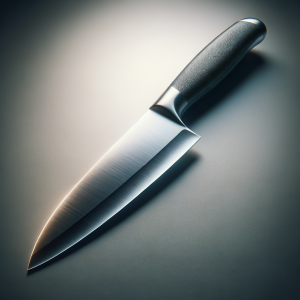
Choosing the Best Storage Methods to Preserve Knife Sharpness
When it comes to preserving the edge on your knives, the storage method you choose is crucial. The goal is to prevent the blade’s edge from coming into contact with hard or abrasive surfaces that can cause micro-chips or dulling. One of the most popular and effective ways to do this is using a magnetic knife strip. Magnetic strips hold your knives securely by the spine or handle, eliminating blade-to-blade contact and allowing proper airflow around the knife, which also reduces corrosion risks. Just make sure your magnet is strong enough to hold heavy blades without dropping them unexpectedly.
Another excellent option is a wooden knife block with slots designed to cradle each blade individually. Wood is gentler on edges compared to plastic or metal blocks, which can cause scratches or chips. However, it’s essential to keep the block clean and dry because moisture trapped inside can lead to rust, especially on high-carbon steel knives. For those who prefer portability or minimalist storage, knife sheaths or blade guards are a great solution. These protective covers shield the edge from knocks and scratches when knives are stored in drawers or transported outdoors.
Lastly, if you’re serious about maintaining your knives, consider a dedicated knife case or roll, especially for outdoor or hunting blades. These cases often have padded compartments that hold the knife securely while protecting the edge from accidental damage. Whatever storage method you choose, one rule remains universal: keep blades separated and avoid stacking knives on top of each other. A little extra care here goes a long way in preserving edge geometry and overall longevity.
Common Storage Mistakes That Dull Your Knife Edges Quickly
One of the biggest knife storage sins is tossing blades loosely into a kitchen drawer. This common practice leads to knives banging against each other and other utensils, causing nicks, chips, and dulling with every drawer opening. Even if you think you’re being gentle, the constant friction between metal edges and hard surfaces is like sandpaper on your knife’s carefully crafted edge geometry. Over time, this can turn a finely tuned blade into a blunt, frustrating tool.
Another pitfall is using cheap or unsuitable knife blocks made from plastic or metal. These materials, while easy to clean, can be harsh on edges, especially if the slots are too tight or rough inside. Plus, moist environments inside the block can accelerate corrosion, particularly if you own high-carbon steel knives. Corrosion pitting on the blade’s edge not only affects sharpness but also compromises the structural integrity of your knife, leading to costly repairs or replacements.
Lastly, neglecting to clean and dry knives properly before storing them is a stealthy culprit behind dulling and damage. Residual food acids, moisture, and salts left on the blade can cause rust spots and degrade the steel’s surface. Storing a wet knife in any holder or sheath traps moisture against the edge, accelerating corrosion and edge breakdown. Always dry your knives thoroughly and, if possible, apply a light coating of mineral oil on carbon steel blades before storage. Your edges will thank you for the extra TLC.
Proper knife storage is one of those simple yet often overlooked habits that can dramatically extend the life and sharpness of your blades. Whether you opt for a magnetic strip, a wooden block, or a padded roll, the key takeaway is to avoid contact between edges and hard surfaces, keep your knives dry, and maintain cleanliness. By steering clear of common storage mistakes, you’ll preserve that precise edge longer, making your cutting tasks smoother and more enjoyable. Remember, a sharp knife is a safe knife — so treat your blades right, and they’ll return the favor with excellent performance day after day. Happy slicing!