
Riding at highway speeds turns every loose item into a potential projectile, and every unsecured phone or bag into a distraction that can ruin a ride (or worse). Whether you commute on a sportbike, tour with panniers, or run errands on a standard, keeping the things you need — phone, wallet, documents, tools, and a light layer — safe and stable is as much about safety as it is about convenience. This article walks through the why and the how of securing essentials so you can ride with confidence at 60+ mph.
I draw on years of riding, testing gear, and helping riders pick the right luggage and mounts to offer practical, real-world advice. You’ll get clear guidance on the forces at play, which accessories stand up to highway conditions, and packing and mounting habits that keep your load steady and your attention on the road. No hard sell — just sensible tips so your stuff stays put and your ride stays fun.
By the end you’ll be able to choose better mounts and bags, pack smarter, and avoid common mistakes that cause rattles, wear, or worse. Think of this as the checklist you actually use before rolling onto the freeway: quick to read, easy to apply, and built to keep your essentials where they belong.
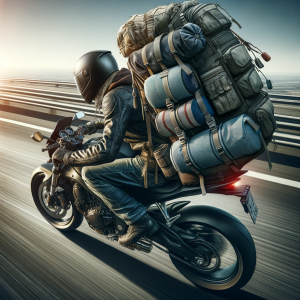
Why Secure Essentials Matter at Highway Speeds
At highway speeds, wind pressure and aerodynamic forces grow rapidly — roughly with the square of your speed — so a small flap or a poorly routed strap that was harmless around town can become violent on the freeway. The resulting pull and buffet can shift luggage, twist mounts, or yank your phone out of a weak clamp. That movement isn’t just annoying; it changes how the bike handles and can distract you at a moment when you need full focus.
Vibration is the other silent culprit. Engine and road vibrations loosen bolts and wear fabric fasteners over time. Repeated vibration can lead to fastener failure or zipper breaches, so accessories designed for sustained high-speed use often incorporate abrasion-resistant fabrics, reinforced stitching, and vibration-damping mounting hardware. Choosing the right materials and checking attachment points regularly prevents slow failures that surprise you miles from home.
Finally, unsecured essentials are a safety and legal issue. A falling object can endanger other road users or force you into a sudden evasive maneuver. Protecting your essentials also protects your ride — lockable hard cases and properly anchored soft luggage reduce theft risk at stops and keep water, road grime, and salt from damaging contents. In short: security = safety + convenience + less headache.
Best Mounts and Bags for High-Speed Stability
Start with the right class of luggage. Hard saddlebags and locking top cases (aluminum or molded plastic) provide the best wind and vibration resistance because they mount solidly to subframes and use robust latches. Soft luggage can be highly effective when built for touring: look for reinforced mounting points, compression straps, and integrated tie-down systems that anchor to the bike’s frame. For tank-mounted storage, choose bags with dedicated strap systems or quick-release harnesses rather than relying on a single magnet unless your tank is steel and the magnet system is rated for highway use.
Phone and GPS mounts need real-world beef. High-quality mounts use ball-and-socket joints with vibration dampers, or clamp to the handlebar with torque-rated hardware. Avoid low-cost clips that rely on spring tension alone. For critical documents and quick access items, a map pocket-style tank bag with a transparent, GPS-friendly sleeve is ideal — it locks down low on the bike’s centerline, reducing yaw and buffeting. Consider weather protection ratings (e.g., welded seams, PU coating) and materials like 500–1000D Cordura for durability.
Also pay attention to quick-release and locking features. Quick-release systems make fuel stops easy, but ensure the plate or base is bolted to the bike and checked for play; cheap bases can wobble and amplify vibration. Lockable hard luggage deters theft and keeps contents dry; integrated tie-down points and anti-rotation tethers prevent lateral movement. When shopping, prioritize tested mounting systems and compatibility with your specific make and model rather than a one-size-fits-all fix.
Packing, Weight Balance, and Vibration Tips
Packing smart is as important as choosing the right bag. Keep heavy items as low and centered as possible — battery chargers, tools, and spare parts belong in panniers near the bike’s centerline or in a low-mounted top case. High-mounted or rear-heavy loads raise the center of gravity and make the bike twitchier in crosswinds. Distribute weight side-to-side evenly; if one saddlebag is heavier, move something small to the opposite side to keep the bike balanced.
Secure everything inside and out. Use internal compression straps or dry-bag liners to stop contents shifting within a bag, and add exterior straps to compress soft luggage against the mounting plate. For straps and tie-downs, use rated cam straps or woven webbing; avoid elastic bungees as they can snap or stretch. Consider small vibration-damping pads between hard mounts and the frame, and use threadlocker on fasteners that aren’t supposed to come loose — but always follow torque specs on critical mounting bolts.
Finally, make a habit of pre-ride and mid-ride checks. Before you hit the highway, confirm all mounting points, zippers, and buckles are secured and that straps don’t rub against the chain or exhaust. After the first 10–20 miles, stop and recheck everything — many failures become detectable after the first stretch of road vibration. Small preventative steps save you roadside fixes and keep your focus on enjoying the ride.
Highway riding rewards preparation. Choose rugged, well-mounted luggage and mounts, pack with balance in mind, and inspect your gear regularly. The combination of proper gear, correct packing, and simple checks keeps your essentials secure and your ride smooth.
Quick practical takeaway: use low, center-mounted storage for heavy items; prefer reinforced mounting systems over makeshift fixes; and do a short recheck after you warm up the bike. Ride smart, pack right, and you’ll spend more time enjoying the horizon and less time chasing a loose bag down the shoulder.