
Getting your motorcycle ready for an event or group ride is about more than polishing chrome and picking a playlist — it’s about translating good intentions into safe, comfortable, and reliable miles. Whether you’re heading out for a charity run, a weekend tour with friends, or a large rally, a little prep on the accessory side prevents roadside headaches and makes the ride more enjoyable for everyone. I’ve learned over years of riding and fitting bikes with accessories that small details — the right tank bag, a secure phone mount, or a compact tool roll — often make the biggest difference.
This article breaks the prep process into practical steps: packing and checking, tuning and securing accessories, and handling group-ride essentials like etiquette, emergency gear, and spares. You’ll find hands-on tips you can apply right before you leave the driveway, plus technical notes on mounting, materials, and compatibility so your gear behaves under vibration, rain, and long miles. Think of this as your pre-event checklist and smart-accessory guide rolled into one.
If you’re new to group rides, don’t worry — this guide assumes you want real-world answers, not just theory. I’ll point out common mistakes riders make with luggage, mounts, and electrical add-ons, and show how to avoid them. Let’s get your bike event-ready.
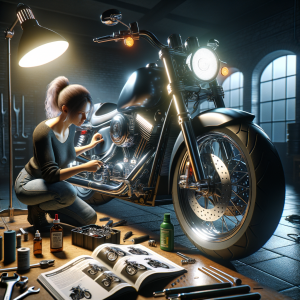
Pack and Check: Your Pre-Event Motorcycle Checklist
Start with the basics: tires, fluids, brakes, and lights. Check tire pressure cold and visually inspect for cuts, embedded objects, and uneven wear. A quick tread check and adjusting pressure to the manufacturer’s spec (and maybe a few psi up for heavier loads) will save handling surprises; remember that pressure recommendations change with load and temperature so re-check if your route climbs or cools significantly.
Next, do a systems check: battery state, charging system, oil level, coolant level, and brake fluid. For event use, consider a fresh battery test — older batteries can sag under extra accessory loads like heated gear or navigation mounts. Replace weak bulbs, pack spare fuses and bulbs, and confirm all signal lights and brake lights operate; visibility and signaling keep a group safe and reduce confusion on turns and lane changes.
Finally, verify luggage and security: fasten panniers and tail bags, check straps and locking mechanisms, and confirm any soft luggage is rainproof or has an inner dry bag. Use short tie-downs and weight your load low and centered to maintain handling. Make a short pre-ride loop around the block after loading to test balance and listen for rubbing or rattles you might have missed.
Tune, Mount, and Secure Accessories for Safety
Mounting matters: choose mounts and fasteners rated for motorcycle vibration and wet conditions. RAM-style ball mounts, clamp mounts, and purpose-built brackets often use stainless or zinc-plated hardware and nylon lock nuts; torque them to spec and use threadlocker on long-term bolts to resist loosening from vibration. For handlebar or fork-mounted devices, confirm the clamp diameter matches your bars and avoid over-tightening which can crush tubing or damage grips.
Think about materials and weather exposure when picking accessories. Leather tank bags look great but can soak through; modern textile tank bags with waterproof zippers, welded seams, and roll-top inner liners give better protection. For electronics, prioritize IP-rated devices or use waterproof housings. Keep heavy items off the top of the tank bag and prefer hard cases or low-mounted panniers for long-distance rides—weight up high affects steering and increases fatigue.
Secure electronics and navigation properly: use vibration-damping pads for GPS and phone mounts, route charging cables so they don’t interfere with steering, and always use a secondary retention strap for expensive items. For lights and auxiliary gear, fuse each accessory individually near the battery to protect wiring, and mount relays for high-draw lights to reduce heat in switches. These steps keep your accessories functional and minimize fire or electrical-failure risk during long rides.
Group-Ride Etiquette, Emergency Gear, and Spares
Riding well with others is as much about courtesy as it is about preparation. Show up with a bike that’s not only running well but is tidy and obviously secure; loose straps or flapping tarps are distracting and can create hazards. Brief yourself on the ride leader’s signals, stay staggered in formation unless told otherwise, and avoid sudden lane changes — your gear choice (mounted luggage, large tank bags) should not interfere with clean body movements and hand signals.
Pack a compact, well-organized emergency kit: tire repair (plug kit or CO2 cartridges with a valve adapter), mini air compressor or pump, a multi-tool with chain tools if you’re chain-driven, spark plug, spare fuses, and bulbs. Add a compact first-aid kit, zip ties, electrical tape, and a roll of self-fusing silicone tape — these small items fix most roadside annoyances. Keep important papers and group contact numbers stored in a waterproof map pocket or phone app for quick access.
Common mistakes to avoid: overpacking without distributing weight, relying on non-vehicle-specific mounts that slip, and ignoring mounting-compatibility (e.g., buying a universal case that won’t lock to your pannier rails). Also don’t assume roadside assistance will be immediate in remote routes; a few basic spares and the skills to use them often turn an event-day stoppage into a short delay. Leave a packing list template in your bag so you don’t forget essentials like registration, insurance, or your group’s emergency contact info.
Getting ready for an event or group ride is part safety, part organization, and part common sense—backed by the right accessories and a few good habits. Focus on secure mounting, balanced packing, and simple spares that match likely problems, and you’ll avoid most of the headaches that spoil group rides. A final practical tip: make last-minute checks a habit — a five-minute walkaround and controls test before you roll out will save you miles of worry.
Choose accessories for durability and compatibility rather than impulse style, and when in doubt, favor low center-of-gravity mounting and waterproofing. Enjoy the ride, show respect to your fellow riders, and remember that well-prepared bikes keep the good stories about the trip, not about the breakdown. Safe travels and see you at the next regroup point.