
Riding in changeable weather is part of the job description for anyone who enjoys two wheels: sunshine one minute, sideways rain the next. Weather-ready accessories are the difference between a miserable ride and one where you stay comfortable, focused, and in control. This article strips away marketing fuzz and covers the motorcycle gear that actually matters when the sky opens up.
I write this as someone who’s commuted in monsoon-town traffic, toured across drizzly mountain passes, and helped riders pick gear that lasts—not just looks good on the showroom floor. If you want practical, tested advice about jackets, gloves, boots, luggage, and tech that survives a storm, read on.
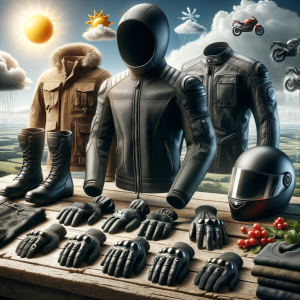
Why Weather-Ready Accessories Are Non-Negotiable
Weather-ready accessories protect more than your comfort; they protect your concentration and safety on the road. Cold, wet hands slow your reactions, wet feet muddy your confidence at stops, and a soaked phone mount can mean losing navigation mid-turn. Staying dry and warm helps you ride defensively and spot hazards sooner, which is a clear, measurable safety gain.
Beyond safety, durability matters for cost-per-mile. A well-made waterproof jacket with taped seams and a reliable membrane costs more upfront but outlives cheaper "water-resistant" options by seasons. The same is true for panniers and mounts: materials like TPU-backed fabric, welded seams, and stainless hardware mean fewer roadside failures and less money wasted replacing gear.
Finally, weather-ready gear improves the overall ride experience. Good ventilation, ergonomic fit, and smart storage let you adapt quickly—open a vent when it warms up, put on an over-glove for a surprise downpour, or snap a dry bag into a pannier while keeping weight centered. Those little conveniences add up to more enjoyable miles, whether you’re commuting or doing a week-long trip.
Essential Waterproof Gear: Jackets, Gloves, Boots
A proper waterproof jacket starts with the membrane (Gore-Tex, eVent, or similar) and ends with the details: taped seams, a storm flap over the zipper, adjustable cuffs, and usable vents. Look for jackets with removable liners if you ride across seasons; breathable membranes paired with zip vents balance waterproofing and comfort better than bulky non-breathable shells alone.
For gloves, prioritize a waterproof-breathable liner and secure wrist closure. Leather gloves treated for water resistance are great for warmth and abrasion resistance, but make sure the membrane is continuous through the cuff area—rain will track down sleeves into a gap otherwise. Also remember glove fit: too tight reduces dexterity, too loose lets water swirl in and robs you of feel at the controls.
Boots need a waterproofing system plus a stiff sole and ankle support—soft wet boots equal cold toes and slippery footpegs. Gore-Tex lined boots or those with a sealed waterproof membrane work well; check for gusseted tongues and sealed seams, not just a "water-resistant" leather finish. And think about traction and shank stiffness for long days: thin soles transfer heat and vibration poorly.
Smart Mounts, Bags, and Tech That Survive Storms
Phone mounts and GPS cradles live on the front line of weather exposure, so choose ones designed for motorcycles: vibration-damping systems, sealed housings, and secure fasteners. Avoid plastic-only clamps—look for aluminum or steel mounts with rubber isolation, and if you carry a power cable, use marine-grade sealed connectors and resilient USB outlets meant for wet conditions.
When it comes to luggage, roll-top dry bags, welded-seam panniers, and hard cases with proper gasket seals are the real winners. Materials like TPU-coated fabric and Hypalon give abrasion resistance plus waterproofing; check the attachment hardware—locking quick-release systems keep things secure, while poorly thought-out straps or overloaded soft bags can shift weight and ruin handling. Inside, use small waterproof pouches or silica packets to manage condensation and protect electronics.
For onboard electronics—USB chargers, battery packs, heated gear controllers—choose IP-rated units and mount them in protected locations with proper fusing and wiring. Simple tricks cut failures: keep spare silica gel in cases, use dielectric grease on exposed connectors, and test your waterproofing before a big trip by putting nonessential items in the bag during a heavy rain test ride.
Weather-ready motorcycle accessories are about thoughtful design and sensible choices: membranes and taped seams, secure mounts with vibration isolation, and luggage that keeps your kit dry while maintaining good weight distribution. Spend smarter on the items that get wet first—gloves, boots, and panniers—because they return comfort, safety, and longevity.
Quick tip before you go: test your gear. Simulate a downpour at home, check seams and zips, and practice mounting/removing luggage until it’s second nature. When the weather changes, you’ll be ready—and you’ll enjoy the ride a lot more for it.