
Every rider knows the difference between a bike that’s merely functional and one that feels like an extension of yourself. A truly rider-friendly motorcycle setup doesn’t happen by accident — it’s a careful mix of ergonomics, thoughtful luggage and mounting choices, visibility and safety upgrades, and maintenance-minded accessories. Whether you commute through city traffic, head out for weekend escapes, or tour across states, small, practical changes to your setup can turn long rides from chores into pleasures.
In this article I’ll walk through what makes a motorcycle setup genuinely rider-friendly, drawing on years of hands-on riding, fitting accessories, and teaching others how to get the most from their bikes. Expect practical tips you can apply today: tweak your riding position, choose luggage that won’t upset your handling, and fit safety and maintenance upgrades that keep you rolling with less fuss. No luxury-only hardware here — just real, useful changes that improve comfort, control, and confidence on the road.
I’ll cover three core areas: ergonomics and comfort, storage and mounting with weight balance in mind, and safety plus ease-of-maintenance features. Each section will include technical but plain-language explanations (materials, vibration resistance, mounting methods) and common mistakes to avoid. Think of this as a checklist and a how-to combined — your bike will thank you, and so will your knees and shoulders.
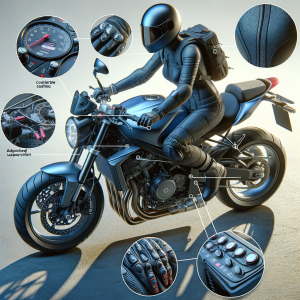
Ergonomics and Comfort: Built for Everyday Rides
Comfort starts with position. A rider-friendly setup puts your shoulders, hips, and wrists in neutral alignment so you can steer and shift without strain. That means the right combination of seat height and shape, handlebar width and bend, and footpeg location for your body size. A well-profiled seat with the correct foam density (usually a firmer base with a softer top layer or a quality gel insert) supports long rides without creating pressure points.
Small hardware changes deliver big gains. Handlebar risers or a different bar bend can reduce reach and wrist flex; adjustable levers and bar-end weights reduce vibration and fatigue. Suspension preload and damping adjustments tailored to your weight and luggage load restore the bike’s geometry and reduce bottoming or harshness. Don’t forget wind management: a properly sized windscreen that smooths airflow reduces helmet buffeting and neck strain on longer trips.
Practical tips: measure reach while seated (fingertips should lightly touch levers without overreaching), try different seat covers or pads for short test rides before committing, and make one change at a time so you can feel the impact. Common mistakes include adding thick aftermarket seats without readjusting suspension, or slapping on tall windscreens that create more turbulence than they solve. Tune ergonomics incrementally and ride between adjustments — your body will tell you what works.
Storage, Weight Balance, and Practical Mounting Tips
Storage must be functional and sympathetic to handling. Hard panniers and top cases are great for security and weather protection, but they raise mass and can alter the bike’s center of gravity. Pack heavy items low and close to the bike’s centerline (panniers or a low tail bag) and reserve the top case for lighter, bulky items. Tank bags are perfect for small essentials and keep weight centered, but use magnetic or lockable mounts that won’t shift under braking.
Mounting quality matters as much as the luggage type. Look for robust racks and mounting plates made from corrosion-resistant aluminum or steel with vibration-resistant bushings or rubber isolators. Quick-release systems are a huge convenience — they let you detach luggage for security or maintenance without tools — but choose ones rated for your luggage weight and test the locking mechanism regularly. Use compression straps to stabilize soft luggage and avoid bungee cords that can slip.
Practical mounting checklist:
- Check manufacturer weight limits for racks, top cases and panniers.
- Keep heavy items low and centered; use panniers before top cases for long rides.
- Use Loctite blue or appropriate threadlocker on luggage bolts and re-torque after the first 100–200 miles.
- Inspect mounts and fasteners for cracks or fatigue regularly.
Common errors include overloading the top case, failing to balance pannier loads, and using non-specific mounts that transfer excessive vibration. Smart mounting preserves handling and reduces the risk of sudden surprises on twisty roads.
Safety, Visibility, and Easy Maintenance for Riders
Safety and visibility upgrades are some of the highest-return accessories you can fit. Add compact LED auxiliary lights for better illumination in poor weather or on dark roads — LED bars and spot lights offer big light output with minimal draw on the electrical system. High-contrast reflective tape on luggage, helmets, and jackets improves conspicuity at night, and a brake-light flasher or modulator helps following traffic see you earlier during deceleration.
Make maintenance easy by choosing accessories and placements that allow quick access to service points. A battery tender plug routed to an easy-access spot keeps your battery healthy during storage; quick-release crash bars and luggage racks let mechanics and you access the engine and chain without wrestling gear off. Wire electrical accessories with fused circuits and quality waterproof connectors (Deutsch or IP-rated splices) to avoid intermittent failures and corrosion.
Maintenance and safety checklist:
- Fuse each add-on and check total electrical load before installation.
- Route wiring away from heat and moving parts, secure with quality zip-ties or clamps.
- Keep a compact tool roll and spare fuses/multi-tool in your luggage for roadside fixes.
- Regularly clean lights and reflectors — dirty lenses cut output dramatically.
A rider-friendly setup is reliable in the long run: fewer roadside fixes, visible presence in traffic, and components that are simple to inspect and service. Avoid the temptation to add tons of accessories without planning their electrical and mechanical integration — that’s where most headaches begin.
A truly rider-friendly motorcycle setup is the sum of many thoughtful, incremental choices: adjust your ergonomics before you buy a new seat, keep storage low and centered, and favor mounts and wiring that make maintenance painless. Start with the small wins — a proper bar position, a secure tank bag, a pair of auxiliary LEDs — and your daily commute or next cross-country trip will feel noticeably better.
Final tip: treat your bike like a precision tool, not a fashion statement. Practical upgrades save energy, reduce stress, and extend the life of both rider and machine. Now go tweak something — your next corner will thank you.