
Motorcyclists have always had a soft spot for style — the gleam of chrome, a retro leather jacket, or a bold graphic helmet can turn heads at a stoplight. Lately, though, a clear trend is winning over riders across the board: utility first, flash second. From daily commuters to weekend tourers and long-haul riders, people are choosing gear that performs reliably on the road rather than gear that simply looks good on the showroom floor. That shift matters because motorcycles expose you to the elements and consequences of a mistake; sensible gear reduces risk, increases comfort, and makes every ride more enjoyable.
As someone who’s spent years fitting riders, testing accessories, and fixing gear after real-world use, I can tell you utility isn’t dull — it’s smart. Practical pieces are designed around real conditions: weather, vibration, abrasion, and human ergonomics. This article breaks down why practical gear beats flashy looks, how comfort and safety drive design, and how to pick durable, useful motorcycle gear you’ll actually use. Read on for tips you can act on before your next ride.
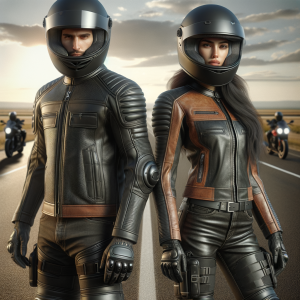
Why Practical Gear Beats Flashy Looks on the Road
Flashy gear captures attention, but practical gear keeps you riding. In real-world conditions — rain, wind, road grit, long hours in the saddle — the features that matter are protection, weatherproofing, and durability. A jacket with reinforced seams, CE-rated armor, and high-abrasion fabric will protect skin and bone far better than a fashion-forward piece without those technical elements. Riders who prioritize utility find that their gear survives knocks, spills, and the daily grind, often assessing value by season-after-season performance rather than first-impression style.
Practical choices also reduce decision fatigue. A jacket with removable thermal liners and adjustable ventilation works across three seasons; a helmet with a pinlock insert and good ventilation works in city heat and on cool highways. That versatility is especially important for commuters and tourers who need one reliable set of gear rather than multiple “fashion” pieces. When your gear adapts to weather and ride type, you’re less likely to compromise safety for comfort or vice versa.
Finally, resale and long-term cost matters. Good technical gear retains function and often value because materials like Cordura, abrasion-resistant leather, Gore-Tex membranes, and replaceable armor are designed to last. Flashy gear that prioritizes appearance may degrade faster: printed coatings peel, cheap textiles thin out, and non-replaceable parts fail. Riders who lean toward utility tend to spend smarter: a single well-made jacket and helmet will give more safe miles than several trendy, fragile items.
Comfort, Safety, and Function Over Shiny Fashion
Comfort is a safety multiplier — when you’re comfortable, you ride better. Ergonomics matter: sleeve and torso cut, pre-curved limbs, and weight distribution all affect fatigue and control. A heavy helmet that sits poorly will strain your neck on a long ride; gloves that bunch at the cuff will reduce throttle feel. Manufacturers that prioritize function design around the rider’s posture and motion, providing stretch panels, articulated joints, and smart closures that keep armor in place without pinching or restricting movement.
Safety is not an aesthetic detail; it’s an engineered feature. Look for CE-rated armor levels (EN1621-1 for limbs and EN1621-2 for back protectors), double-stitched seams, reinforced shoulders/elbows/knees, and certified impact liners. Materials matter: full-grain leather has excellent abrasion resistance, Cordura and ballistic nylons combine durability with lighter weight, and Gore-Tex or similar membranes give breathable waterproofing. These specifications are not marketing terms — they’re measurable performance that can make a difference during a crash.
Function also includes weather and maintenance considerations. Ventilation, waterproofing, and removable liners let a single piece perform well from drizzle to heatwave. Quick-release buckles, waterproof zips, and low-profile pockets increase convenience without adding failure points. Remember that practical features — replaceable visors, removable liners, zip-out armor, and modular fastening systems — extend product life by allowing targeted repairs instead of full replacements. That’s utility saving you time and money down the road.
Real-World Tips for Choosing Durable Motorcycle Gear
Start with fit before fashion. Try gear in a riding position (lean forward if you ride sportier bikes; sit upright if you commute/tour) and test closures, cuff fit, and helmet rotation. A jacket that rides up when you lean means armor will be out of place in an impact. When trying a helmet, hold the strap fastened and shake your head — it should stay snug without pressure points. If you can’t test in person, check return policies and have a plan to exchange sizes quickly.
Know the important specs and look for them on labels or product pages: CE ratings for armor, material deniers and weave (higher denier usually equals more abrasion resistance), waterproofing and breathability ratings, and whether armor is removable/replaceable. Practical extras to value include: secure pocket placement for electronics, reflective trim for low-light visibility, reinforced sliders on knees/elbows, and modular mounting points for luggage or communication devices. For luggage specifically, check mounting methods (hard mounts, quick-release brackets, or MOLLE-style straps) and vibration resistance — metal brackets or robust nylon straps beat glued-on panels every time.
Avoid common mistakes: buying a size up “for layering” that ends up compromising armor fit; choosing flashy but thin materials with no abrasion ratings; ignoring ventilation or waterproofing because “you’ll ride through nice weather”; and failing to maintain gear — leather needs conditioner, membranes need PFC-free DWR reactivation, and zippers/latches should be cleaned and lubricated. A quick checklist before you buy: does it fit in riding position, is the armor rated and correctly positioned, can it handle the weather you ride in, is it serviceable/repairable, and does it offer real utility like storage and modularity? If you can answer yes to most of those, you’ve picked a piece built for real life on two wheels.
Choosing utility over flash isn’t about sacrificing style — it’s about making smart choices that keep you safer, more comfortable, and on the road longer. Invest in pieces with proven materials, correct fit, and features that match how and where you ride, and you’ll get better value and peace of mind than any flashy look can deliver. And remember: the best-looking kit is the one that brings you home, dry, comfortable, and ready to plan the next ride — preferably with a shiny grin and a practical jacket pocket full of snacks.