
Riding today is as much about adaptability as it is about speed or style. Modern riders hop between commutes, weekend cruises, and multi-day tours — often on the same bike — and they want gear that keeps up. Modular motorcycle accessories let you change the bike’s role in minutes: add a pannier for a grocery run, clip on a top box for a weekend trip, strip everything off for a spirited backroad ride.
This shift matters because motorcycles are no longer single-purpose toys. Advances in mounting systems, materials, and weatherproofing make modular options lighter, stronger, and more user-friendly than ever. Whether you’re a daily commuter, a casual cruiser, or a long-distance tourer, understanding why riders prefer modular gear helps you make smarter, safer choices for real-world riding.
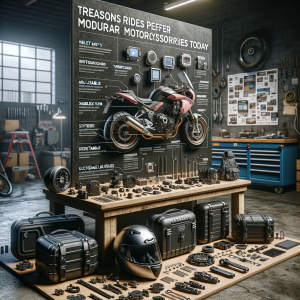
Why Modular Accessories Make Sense for Modern Riders
Modular accessories let you tailor the bike to the ride without committing to one setup. Instead of buying multiple full systems, you mix and match components — racks, quick-release plates, inner liners, and phone mounts — to build the configuration you need that day. That flexibility saves money, garage space, and the headache of permanently modifying the bike.
From a technical standpoint, modern modular pieces use materials and mounting methods designed for motorcycle environments: stainless fasteners, corrosion-resistant coatings, reinforced nylon and aluminum frames, and vibration-dampening bushings. Those features matter because road vibration and weather exposure are the two biggest threats to accessory longevity. Properly designed modular gear resists loosening, chafing, and water ingress while staying light enough not to upset handling.
Riders also like modular systems because they’re future-proof. Bikes change hands, styles change, and new adventures pop up. A modular mounting standard or universal quick-release plate keeps your investment useful across model updates and different machines. In practice that means you can move a tank bag or luggage system from your commuter to your tour bike in minutes, which is exactly why many riders are moving toward these solutions.
Key Practical Benefits: Comfort, Safety, and Flexibility
Comfort is a big, immediate win. Modular accessories include seat risers, adjustable footpegs, and exchangeable seat pads that let you tune ergonomics for commute vs. long haul. Small changes — a slightly lower rake for city traffic or a thicker seat pad for a 300-mile day — make a surprisingly large difference in fatigue and focus, which translates into safer riding.
Safety improves when accessories are designed to integrate rather than interfere. Modular mounts position luggage and electronics so weight is centered and low, reducing the chance of unsettled handling. Many systems also offer reflective panels, integrated lights, and breakaway features that protect the bike and rider in a tip-over. A properly mounted quick-release top box with a built-in reflector and secure latch is a lot safer than a loosely tied bag.
Flexibility means less fiddling at the roadside. Quick-release tank bags and phone mounts let you access navigation or documents without spilling the whole setup. Modular protection — bolt-on crash bars, removable skid plates, or clip-on radiator guards — gives you the option to add armor for off-road or remove it for lighter performance. That adaptability keeps your bike ready for whatever the day throws at you, from rain-soaked commutes to last-minute weekend escapes.
How to Choose and Mount Modular Gear for Everyday Use
Start with a checklist before buying: confirm compatibility with your bike’s rack or subframe, check weight limits and distribution, inspect materials for corrosion resistance, and look for vibration-isolating features. Try to pick systems with standardized plates or mounts (universal QR plates, bolt-on subracks) so components work across bikes. Also prioritize weatherproof liners and sealed zippers if you carry electronics or clothes.
When mounting, follow a few practical rules: use stainless or grade-rated hardware, apply medium-strength threadlocker on bolts that see vibration, and torque fasteners to the manufacturer’s specs. If a spec isn’t provided, firm hand torque followed by a short re-check after 50–100 miles is a good habit. Add rubber washers or isolators where metal-on-metal contact could transmit excessive vibration to delicate gear, and always secure loose straps to prevent flapping that wears material and distracts the rider.
Avoid common mistakes: overloading a single pannier, which shifts the center of gravity; assuming “universal” fits without trial-mounting; and neglecting periodic inspections for loose bolts, worn straps, or cracked plastic tabs. For commuters, keep quick-release operations simple and practiced; for tourers, build redundancy (backup straps, basic toolkit). Regular cleaning and a touch of anti-corrosion spray on metal parts will keep mounts functioning and prevent those roadside surprises.
Modular motorcycle accessories give riders the freedom to configure their bikes for comfort, safety, and the day’s mission — without a shop visit every time. They’re practical, economical, and engineered to handle the realities of vibration, weather, and different riding styles.
Final tip: buy the best-fitting mount first, then build the system around it. A solid foundation makes swapping bags, boxes, and gadgets quick and worry-free — and that’s the whole point. Happy riding, and remember: if it rattles, it’s working against you, not for you.